
A Guide to Stay Interviews
Keep great teachers by having the right conversations.
10–15 min
A practical guide to help school leaders handle staff conflict resolution.

A step-by-step guide for school leaders preparing for a hard conversation with a staff member, whether it's a performance concern, a conflict between colleagues, or a policy issue. It walks through what to think through before, during, and after the conversation, plus a printable planning worksheet.
Why try it
Give staff conflict resolution a clear structure instead of winging it in the moment. This guide breaks a hard conversation into steps you can actually prepare for: getting clear on your purpose, setting the environment, listening without losing direction, and following through afterward.
Use it before performance conversations, conflicts between staff, policy violations, or any moment where the stakes feel high.
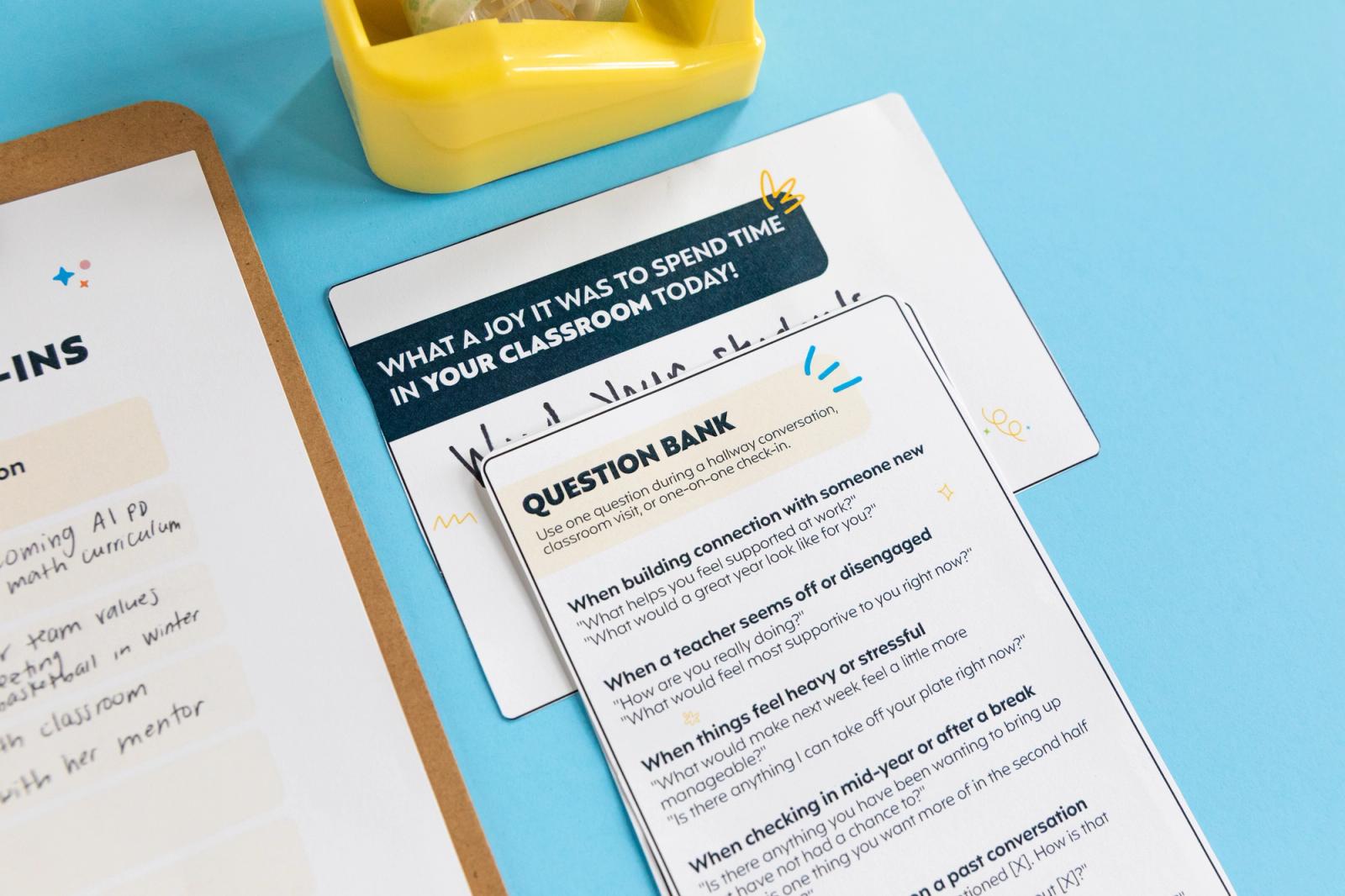
Browse the printables included with this resource.
Instructions
Get clear on your purpose
Before the conversation, write down the core issue, what outcome is non-negotiable, and where you have flexibility. Use the included planning worksheet to sort your thoughts and check whether you're responding intentionally or reacting emotionally.
Set the environment
Choose a private space and give notice of the topic when possible. Build in enough time so you're not rushing between meetings. Open with a simple, direct line: "Thank you for meeting with me. I want to talk through something important, and I'm committed to doing it respectfully."
Listen before you respond
Invite their perspective with a question like "Help me understand how you're seeing this," then listen fully without interrupting to correct. Acknowledge what you hear before you move into your own points: acknowledgment builds trust without requiring agreement.
Give clarity and next steps
Share what you've observed and the expectation moving forward. Ask what support would help them meet it, then agree on a timeline and follow-up plan. Specific next steps prevent the same conversation from repeating.
Follow through and reflect
After the conversation, send any promised summary notes and follow up on the timeline you set. Use the included reflection journal page to note what went well and what you'd do differently next time.
Activity variations
Adapt to fit your school's vibe, budget, and setting.
Peer practice run
Before an especially sensitive conversation, role-play it with a trusted colleague and script your opening line and a few key phrases.
Team debrief
After a string of tough conversations, set aside time with your leadership team to debrief patterns you're seeing and share strategies that worked.
Written follow-up track
For conversations that need documentation, pair this guide with a written summary sent within 24 hours, outlining what was discussed and the agreed next steps.
Go deeper
Additional tips for running this resource.
Leader Tip #1
Regulate first
Slow your breathing and pace before you start. Your tone sets the tone for the whole conversation.
Leader Tip #2
Separate the person from the issue
Address the behavior directly and affirm genuine strengths where they exist.
Leader Tip #3
Build in a pause option
Have a line ready, like "Let's pause for a moment so we can keep this productive," in case the conversation escalates.
Built by Educators, for School Leaders
This resource was created in collaboration with passionate educators and school leaders who believe in the power of intentional connection.
Abbey Sualy
Early Childhood Educator
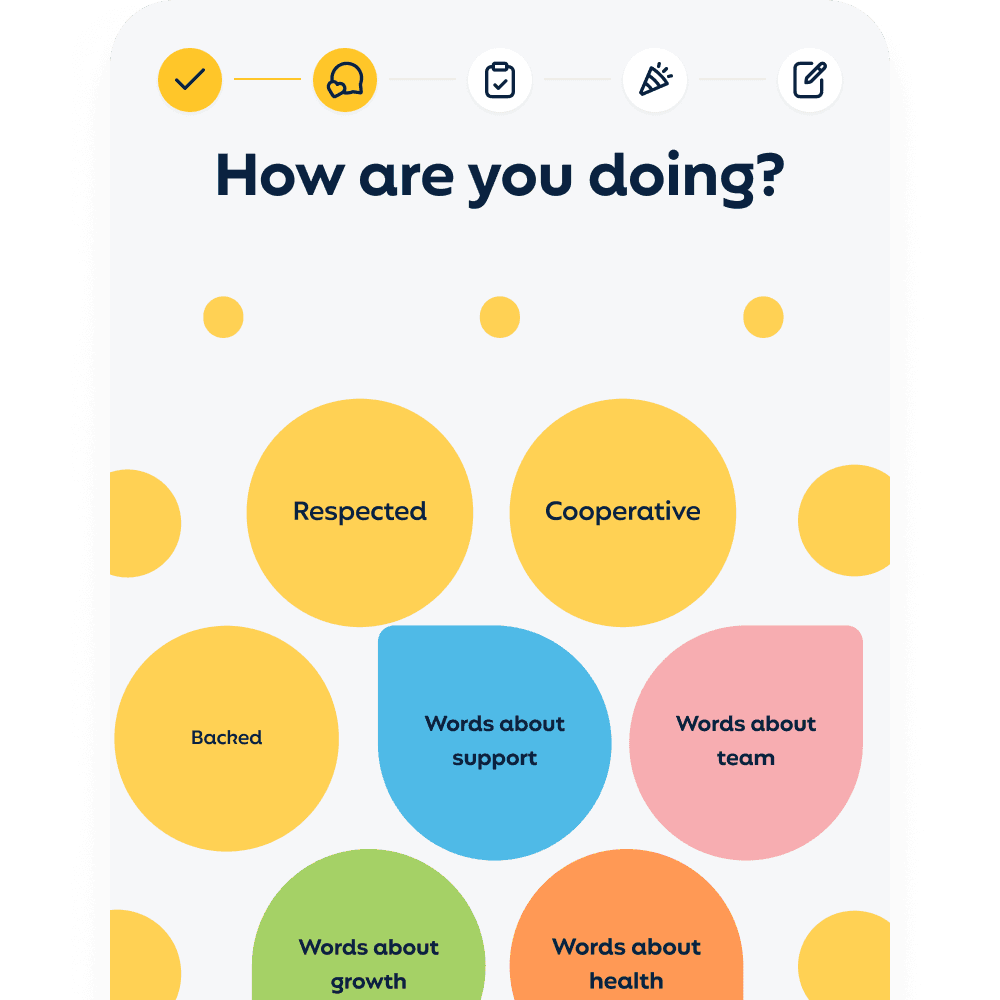
Alpaca Pulse Check-In
With just three simple questions, Alpaca's Pulse Check-In helps school leaders listen to their teams and act where support is needed most.
Join 15,000+ school leaders finding their next little win.