Growth Goal Quick Check
Turn a quick hallway chat into a moment for reflection and support.
3-5 min
A guide to making quick, 5-10 minute classroom walkthroughs count.
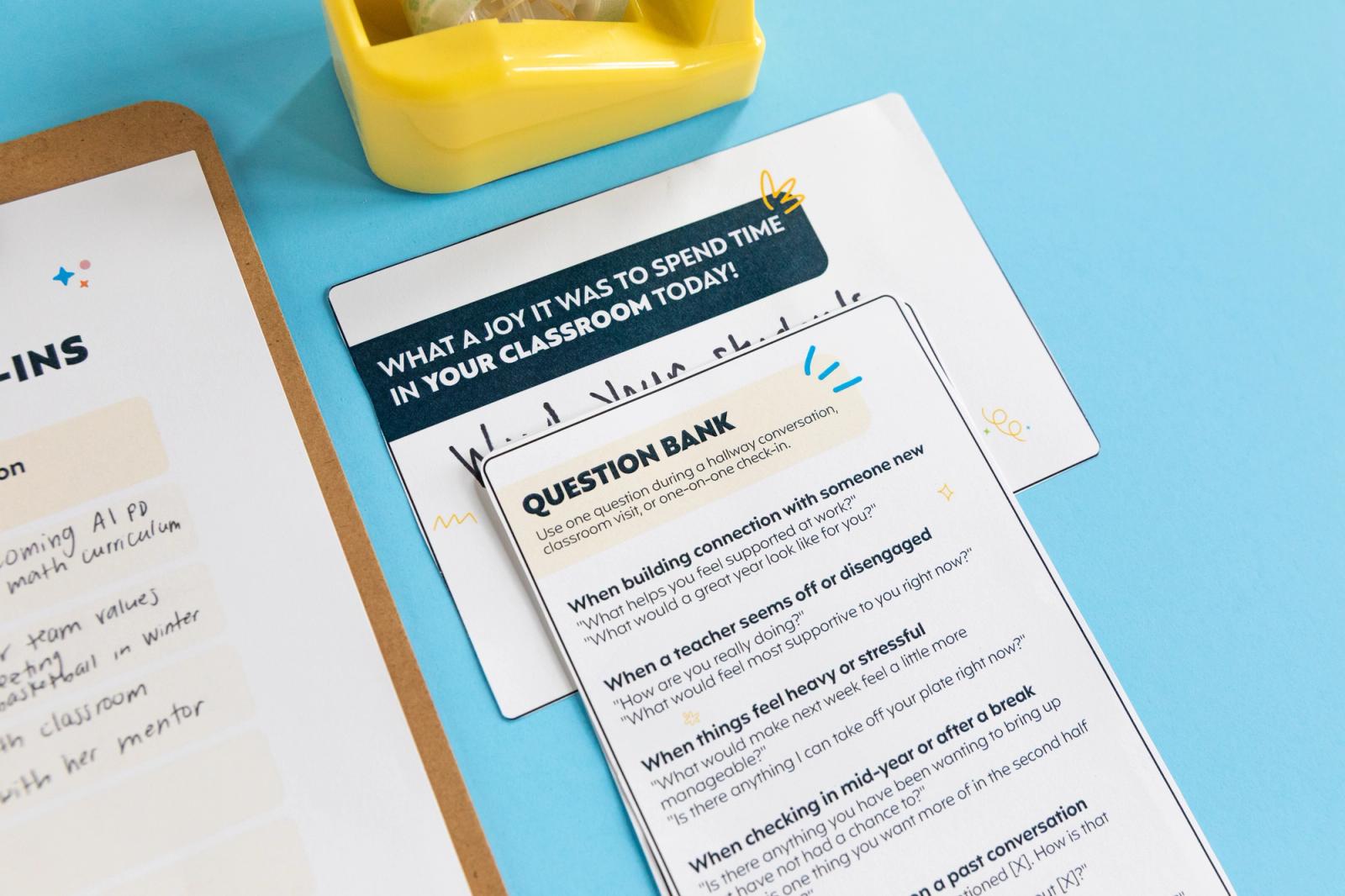
A guide to making quick, 5-10 minute classroom walkthroughs count. Covers what to look for, how to follow up with feedback, and how to use what you notice to support your team. Includes printable feedback note templates to leave behind after each visit.
Why try it
Regular walkthroughs keep you connected to what's happening in classrooms and give you real, specific material to work with when recognizing staff. Brief visits also help teachers feel supported rather than monitored, especially when feedback is mostly positive and delivered quickly after the visit.
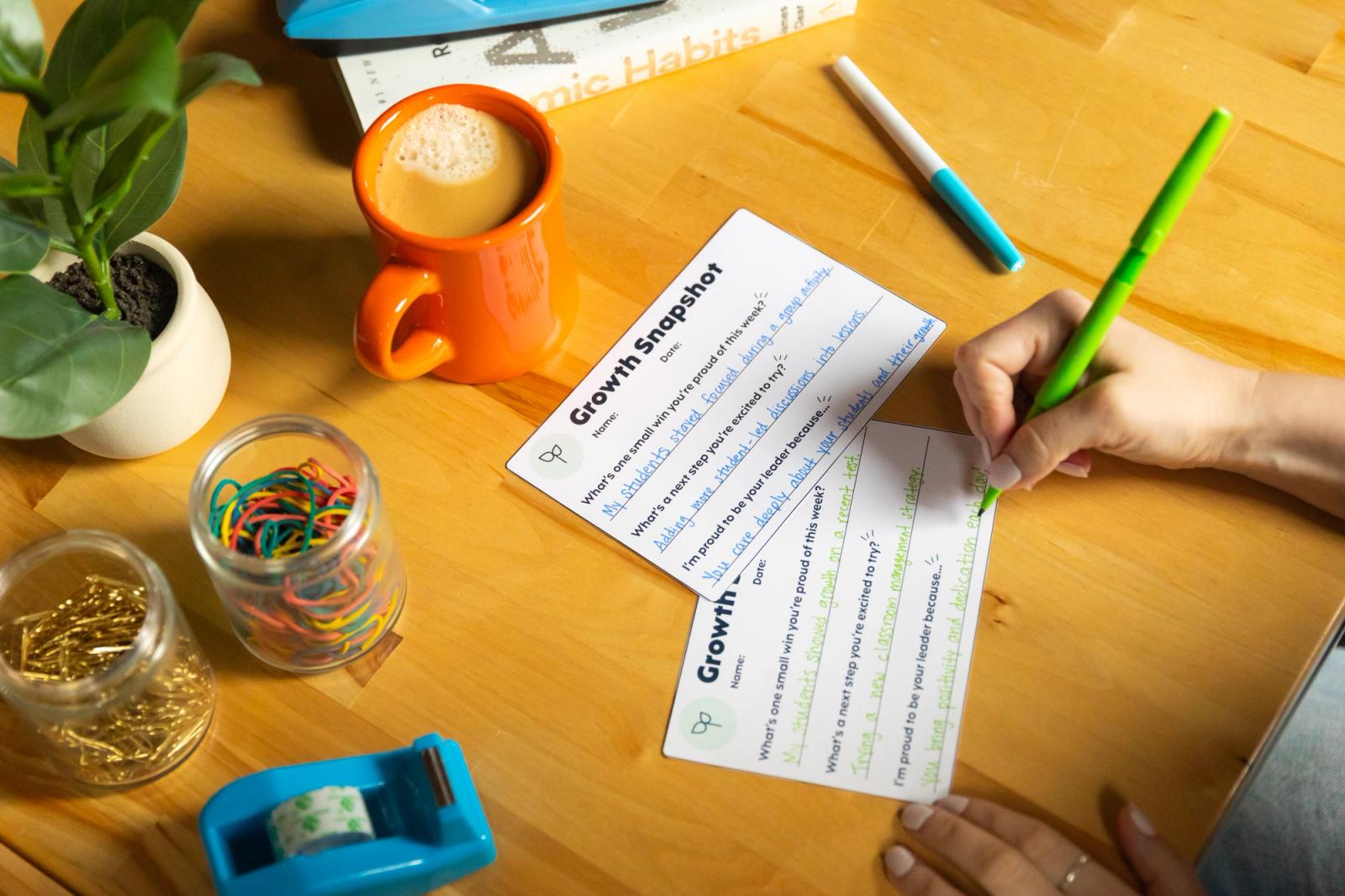
Browse the printables included with this resource.
Things you'll need
Instructions
Choose a focus area
Before you start, decide what you want to pay attention to during this round of visits. Student engagement, classroom environment, a specific instructional strategy your team has been working on, anything that connects to a current school goal. Having a loose focus helps you collect observations that are specific and useful, and gives you better material to work with when you follow up.
Set the tone
Let teachers know walkthroughs are a regular part of how you stay connected, not an evaluation. A quick mention at a staff meeting is enough. The more routine visits feel, the less anxious staff tend to be when you show up.
Visit and observe
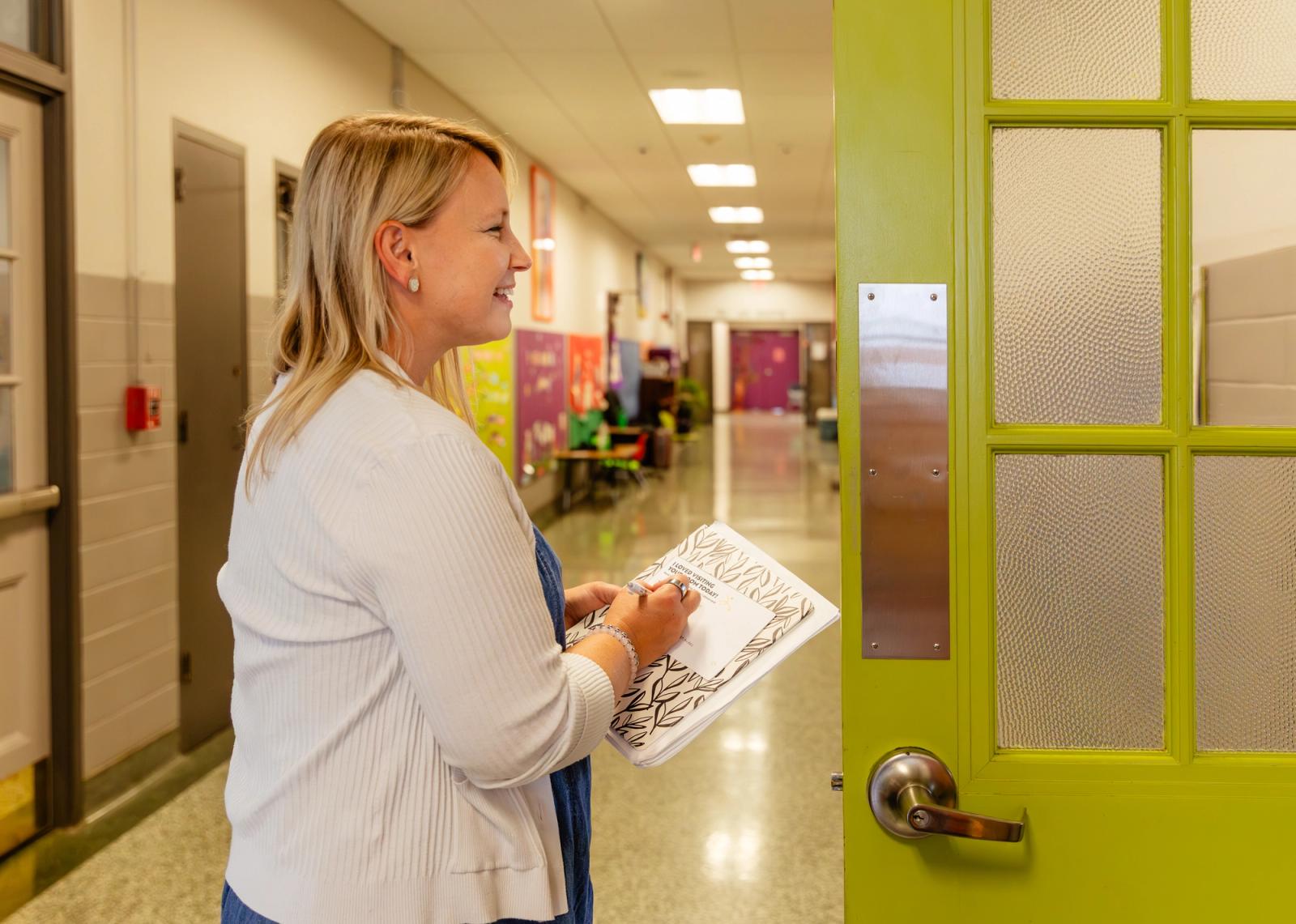
Spend 5-10 minutes in the classroom. Notice what students are doing: are they engaged, working independently, collaborating, asking questions? Note any strategies or moments worth calling out. Keep your visit quiet and low-disruption.
Leave a feedback note
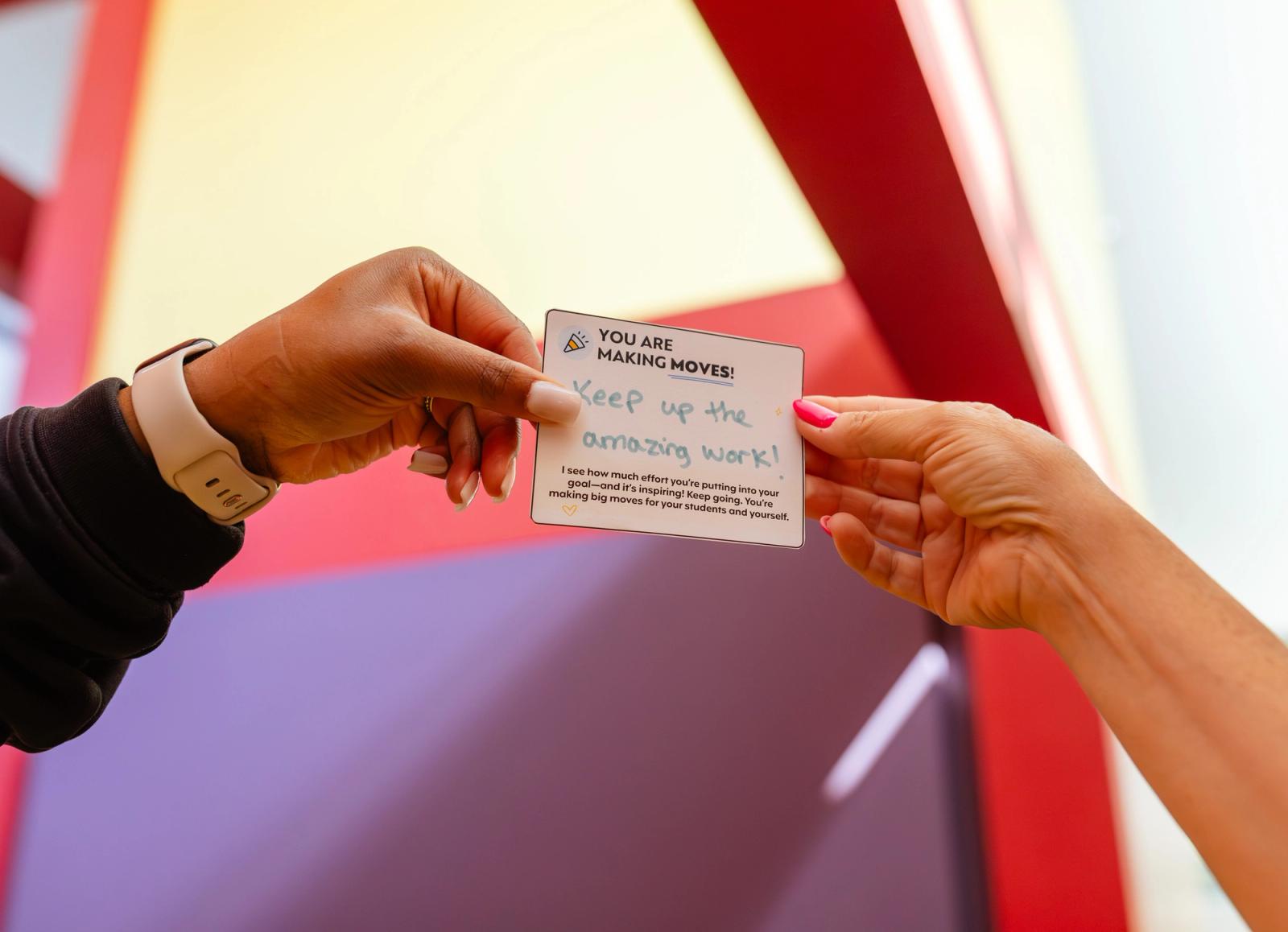
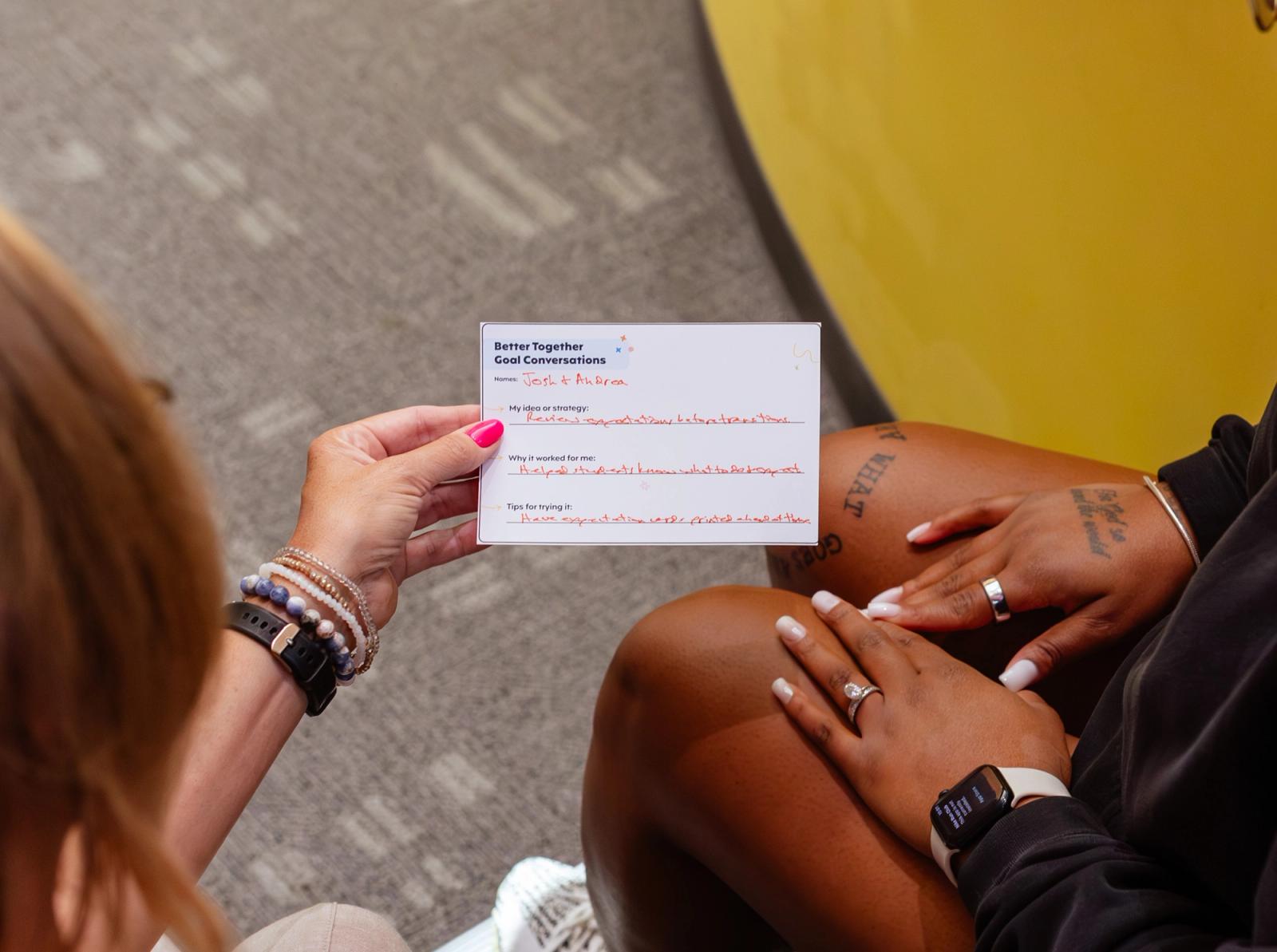
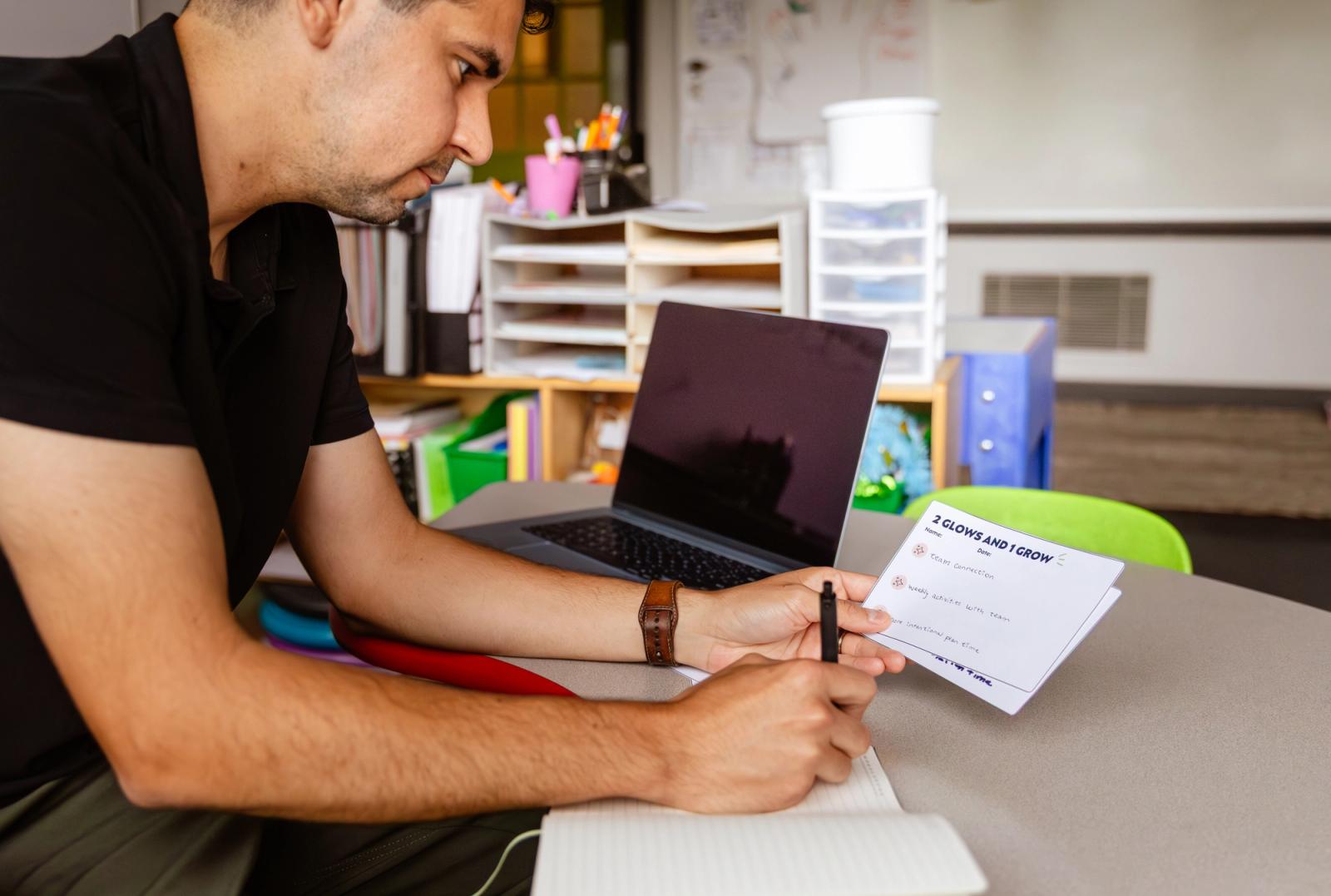
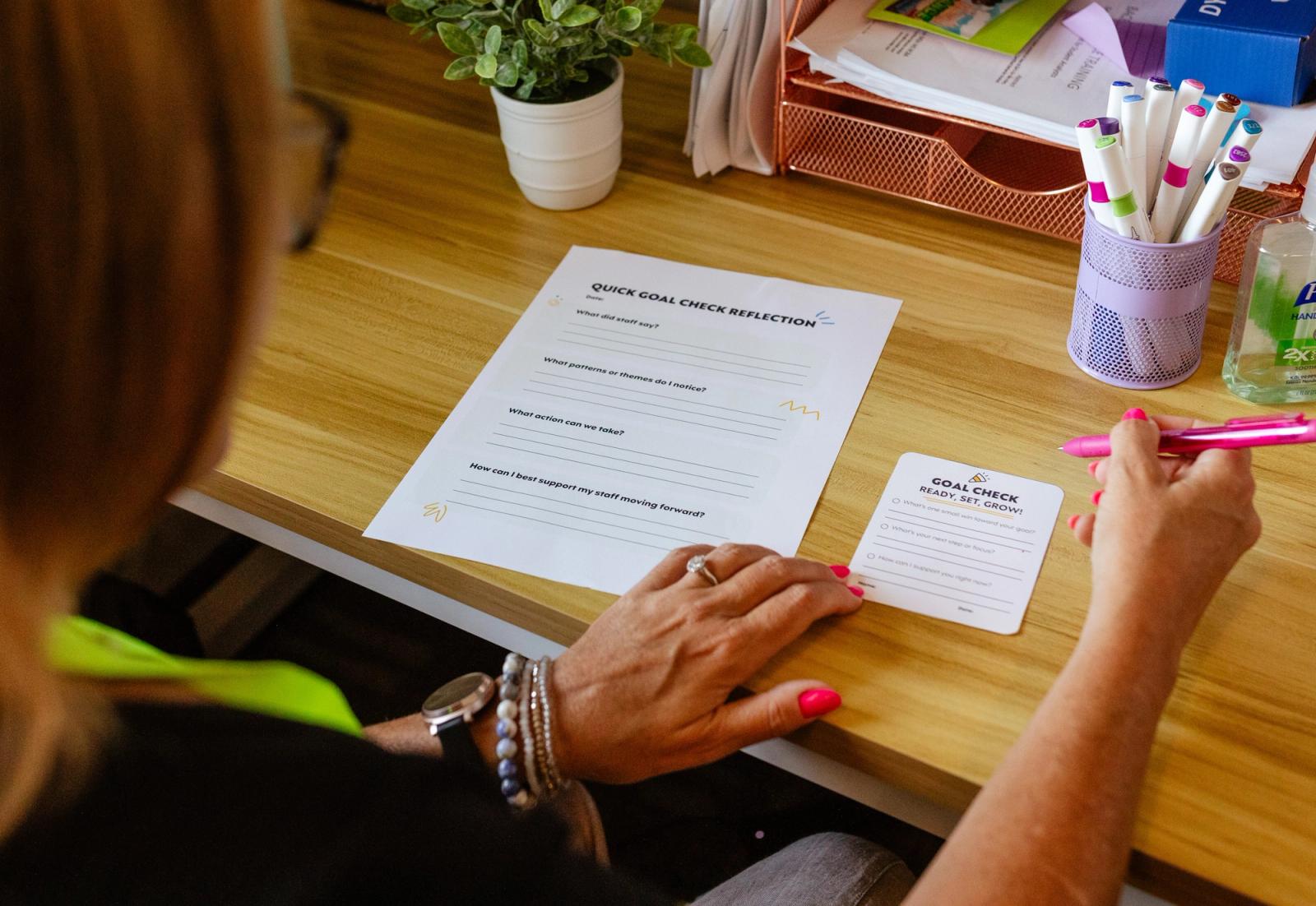
Before you leave or immediately after, fill out a feedback note. Use one of the printables provided that fits your goals as a leader. Leave it on the teacher's desk, or if email is more your style or your staff's, send it digitally the same day.
Share standout moments
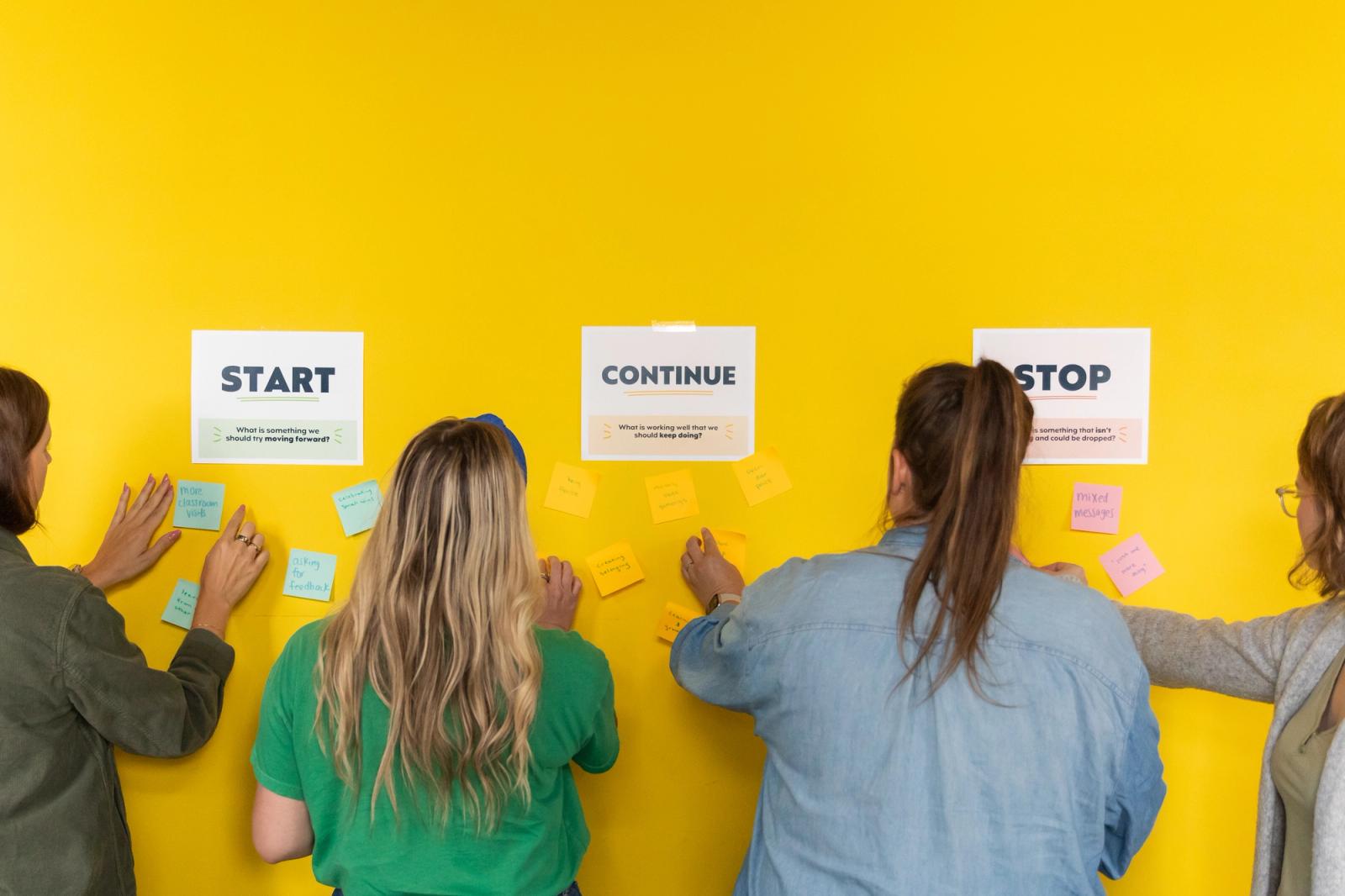
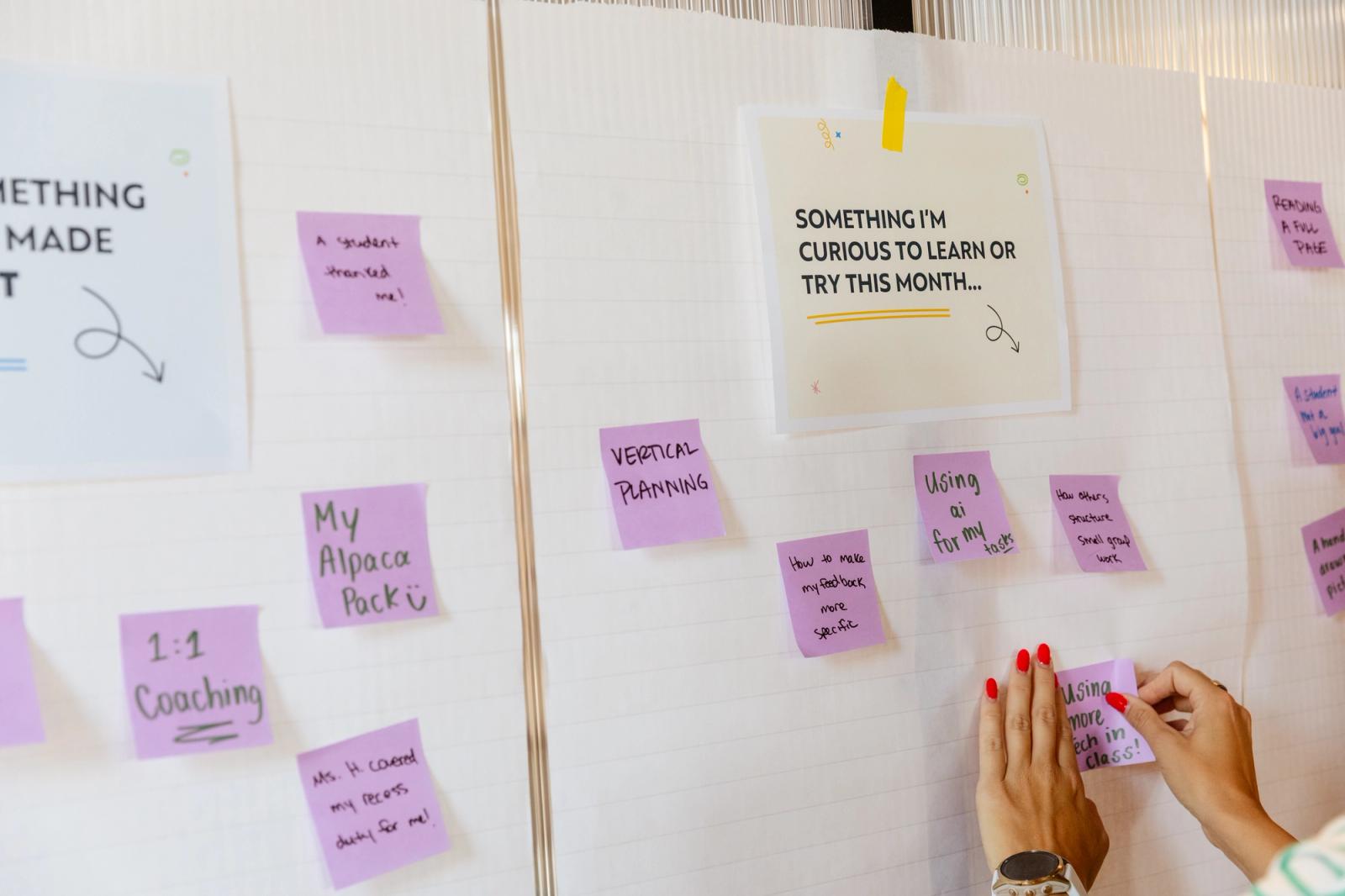
At your next staff meeting, mention a few specific things you noticed across classrooms, without naming teachers if that feels more comfortable. Sharing real examples from walkthroughs reinforces good practice and shows your team you're paying attention.
Activity variations
Adapt to fit your school's vibe, budget, and setting.
Instructional rounds with your team
Bring an assistant principal, instructional coach, or department lead along on a round of walkthroughs. Debrief together afterward to compare observations and identify school-wide patterns.
Student-focused visits
Shift the focus entirely to students: what are they doing, saying, and producing? Share what you noticed at your next staff meeting as a celebration of student work and classroom culture.
Themed walkthrough weeks
Pick one focus for the entire week, such as how teachers are using anchor charts, how transitions are managed, or how student voice shows up in lessons. Themed rounds make your feedback more targeted and your staff meeting debrief more focused.
Go deeper
Additional tips for running this resource.
Leader Tip #1
Be specific
"I noticed students were asking each other questions before raising their hand" lands better than "great energy in your room." Specific feedback is more useful and more memorable.
Leader Tip #2
Go often
Short and frequent beats long and occasional. Even two or three classrooms a week adds up quickly and keeps your observations current.
Leader Tip #3
Block your calendar
Set aside time each week or month to make sure walkthroughs happen consistently.
Built by Educators, for School Leaders
This resource was created in collaboration with passionate educators and school leaders who believe in the power of intentional connection.
Alissa Christensen
Head of Customer Success
Alpaca Pulse Check-In
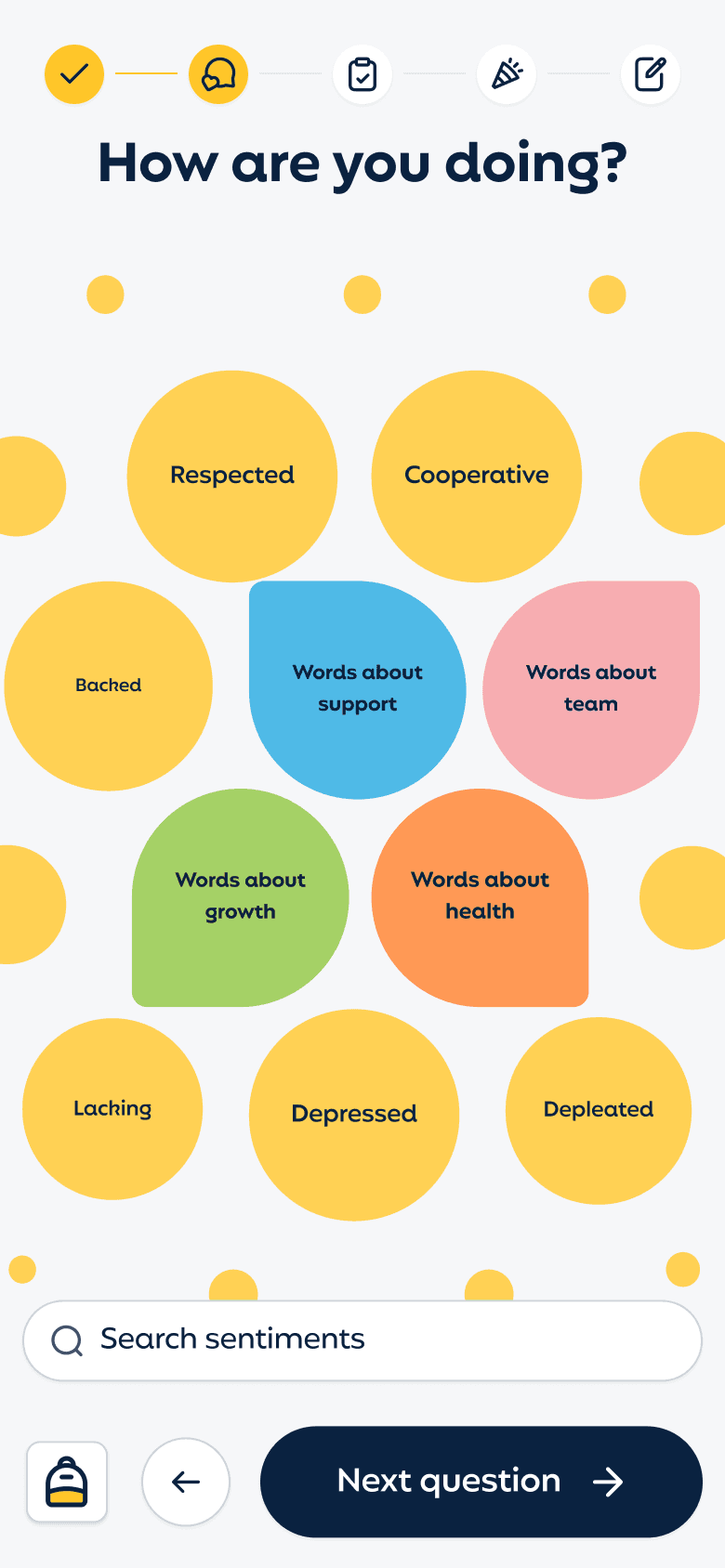
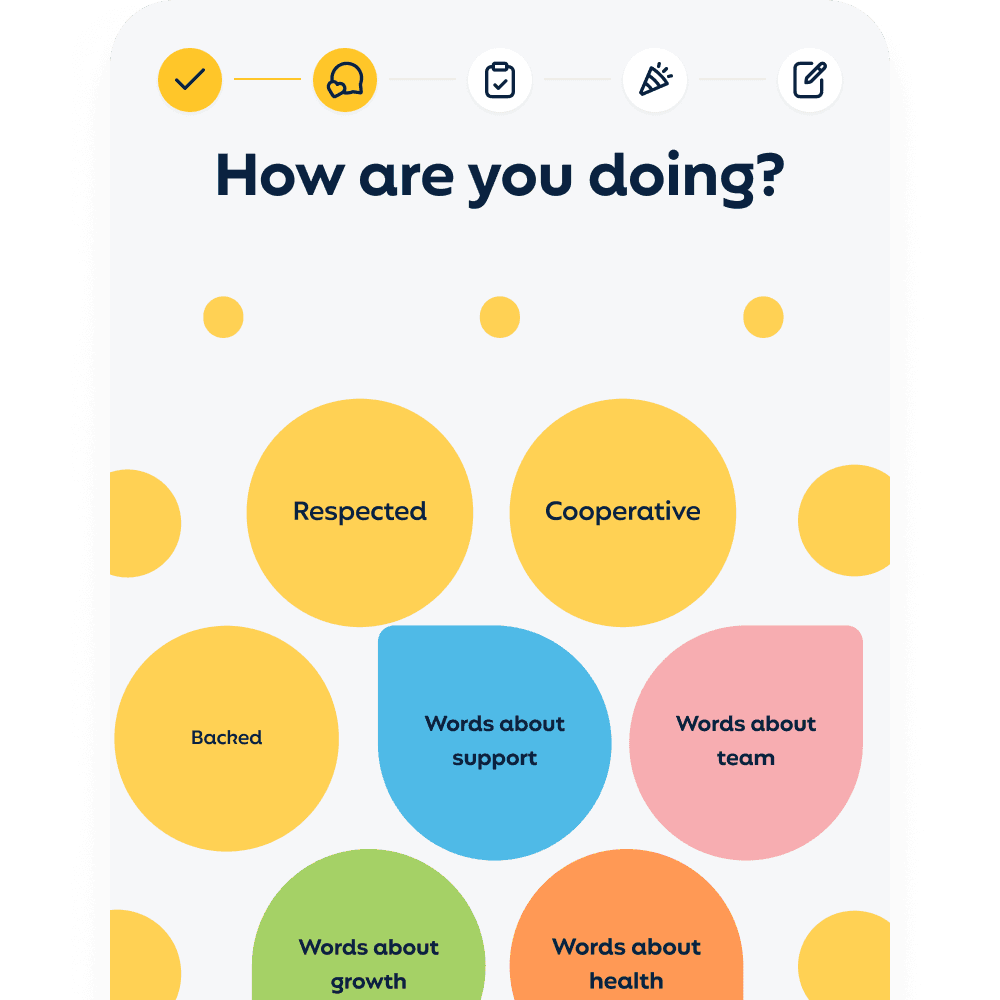
With just three simple questions, Alpaca's Pulse Check-In helps school leaders listen to their teams and act where support is needed most.
Join 15,000+ school leaders finding their next little win.