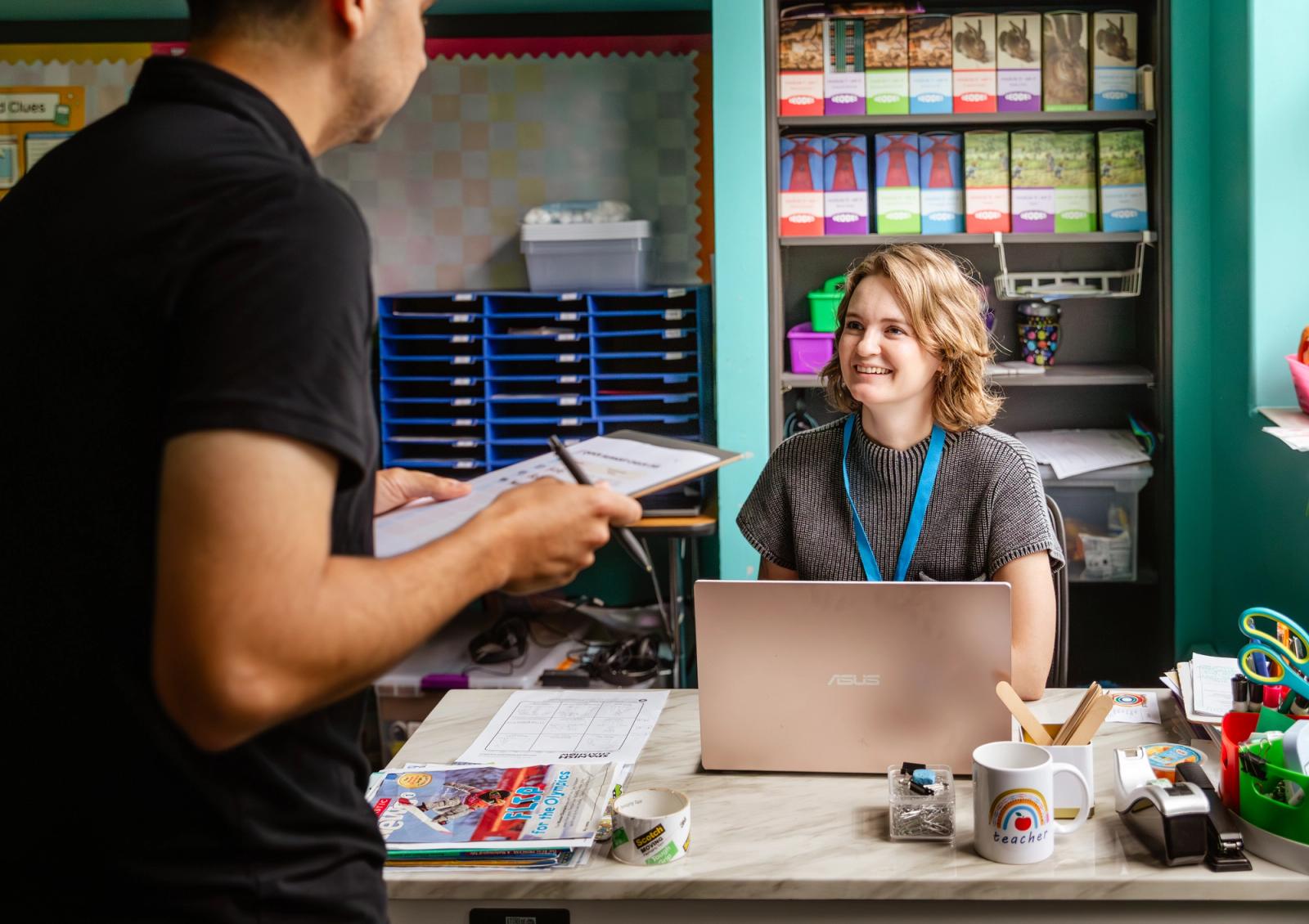
Quick Check-In, Real Connection
Ready-to-use one-on-one check-in questions for every moment of the school year.
5 min
A guide for school leaders who want to build a more consistent presence in their building.

A five-step guide for school leaders who want to build a more consistent presence in their building. Covers goal-setting, calendar blocking, accountability, keeping interactions non-evaluative, and tracking progress, all with tools included to make it stick.
Why try it
Consistent visibility is one of the most practical ways to improve teacher morale. When leaders show up in hallways, classrooms, and common spaces regularly, it builds trust and strengthens relationships across the building. Staff feel more connected to leadership, and the overall culture becomes more approachable.
Ten to fifteen minutes a day, done consistently, is enough. This guide gives leaders a clear, repeatable structure for making visibility a regular part of the week.
Browse the printables included with this resource.
Instructions
Set a specific goal
Choose one focus area to start: a time of day, a hallway, or a grade level. Swap "be more visible" for something concrete, such as greeting students at arrival, popping into two classrooms to say hello, or having a few informal conversations with staff during passing periods. Use the tracker to capture where you went and who you connected with each day.
Block the time and tell someone
Put visibility on the calendar and aim for 10-15 minutes. Share your plan with an assistant principal, coach, or office staff. Saying it out loud creates light accountability and makes follow-through more likely. Invite a colleague to walk with you once a week if that helps.
Keep it non-evaluative
Visibility time is for connection, not assessment. When stepping into a classroom, smile, wave, or leave a quick note of encouragement on the teacher's desk. Keep interactions light, friendly, and brief.
Track and reflect
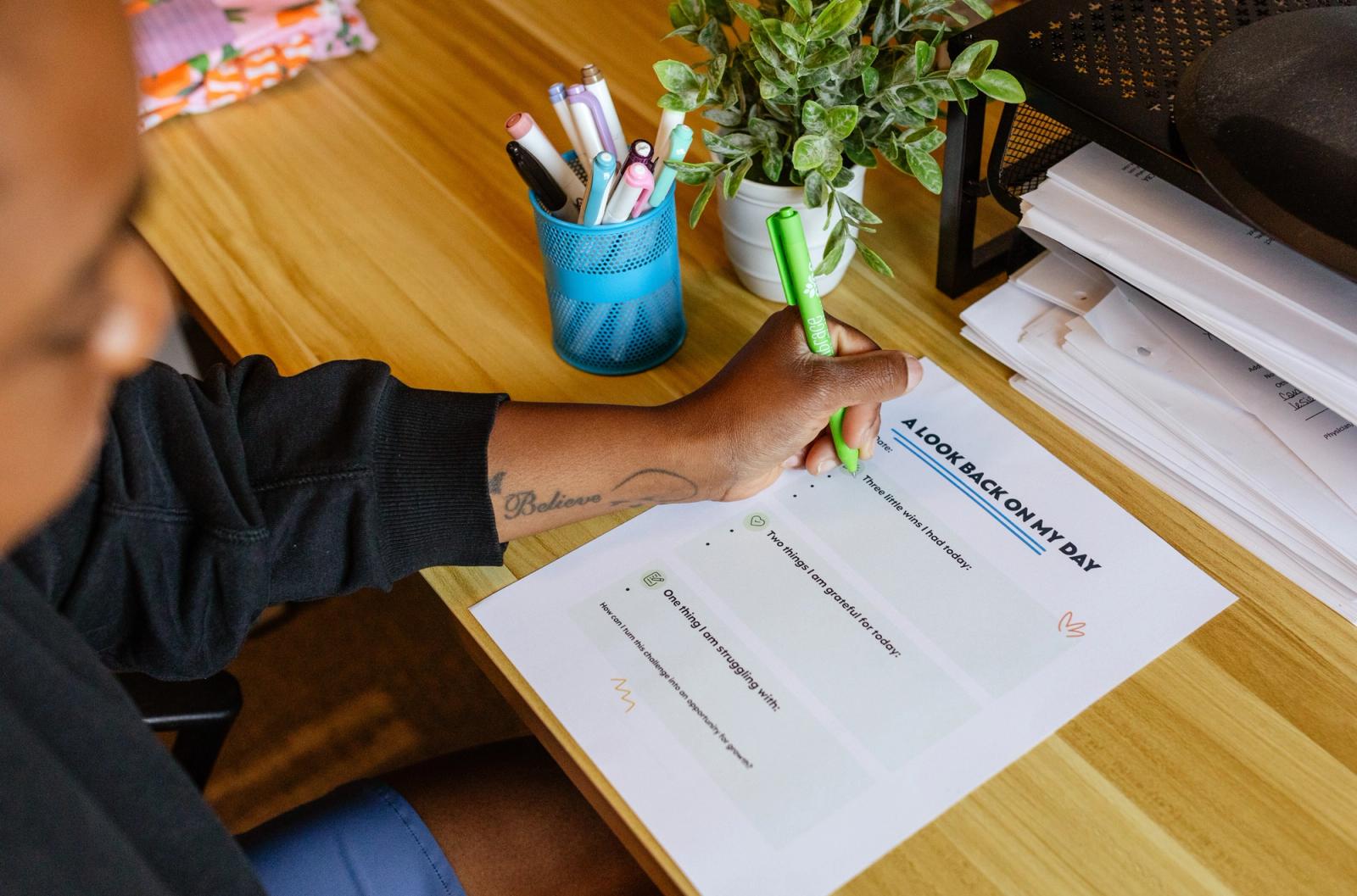
At the end of the week, jot down where presence felt strongest and where it fell short. The included reflection questions can help spot patterns and shape a simple goal for the following week.
Activity variations
Adapt to fit your school's vibe, budget, and setting.
When walking the building isn't possible
Set open-door office hours and publicize them so staff know when to stop by. Send a quick note to staff to let them know.
Partner walks
Invite an instructional coach, assistant principal, or district leader to join visibility walks a few times a month. More leaders visible across the building means more consistent connection points for staff.
Go deeper
Additional tips for running this resource.
Leader Tip #1
Name it on the calendar
A visibility block labeled with a purpose is far more likely to be protected than unmarked free time. The name signals intent to others and to yourself.
Leader Tip #2
Go where the energy is
On low-energy days, head toward arrival, recess, or music class. High-energy spaces can make short visibility windows feel easier and more rewarding.
Built by Educators, for School Leaders
This resource was created in collaboration with passionate educators and school leaders who believe in the power of intentional connection.
Abbey Sualy
Early Childhood Educator
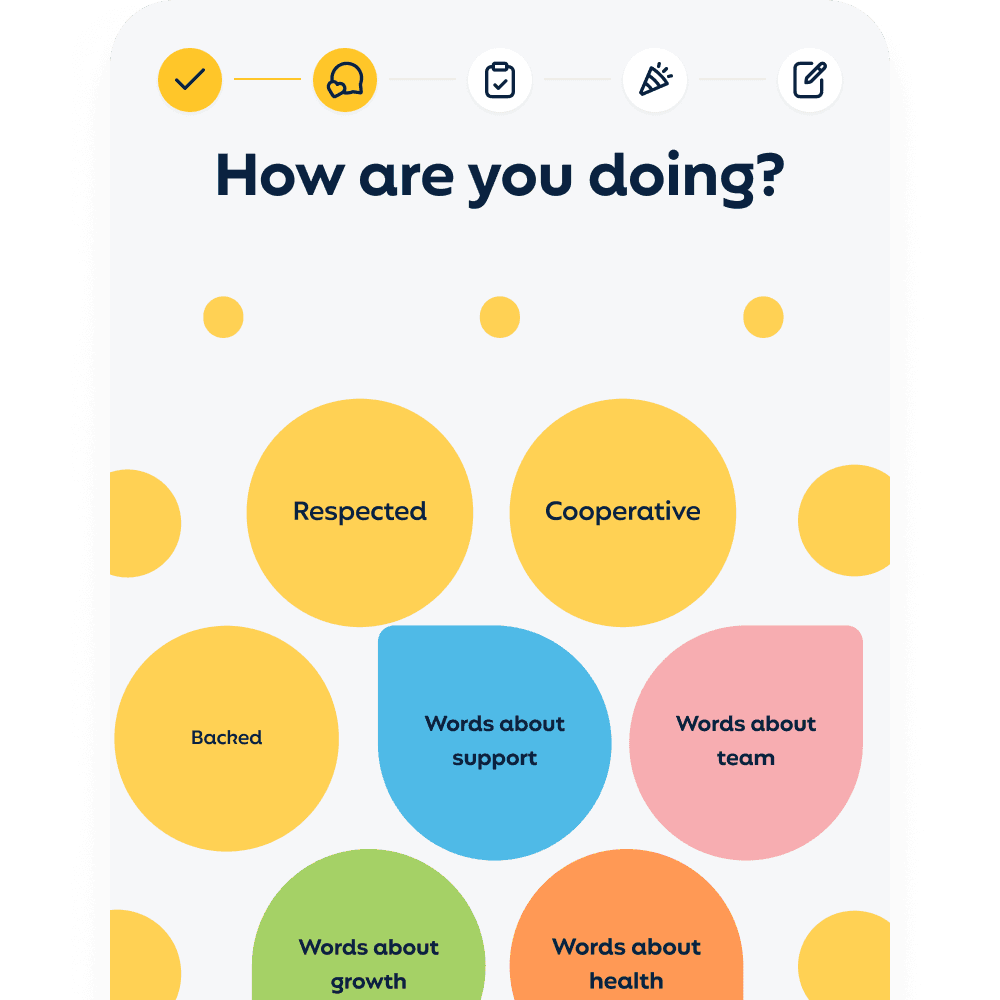
Alpaca Pulse Check-In
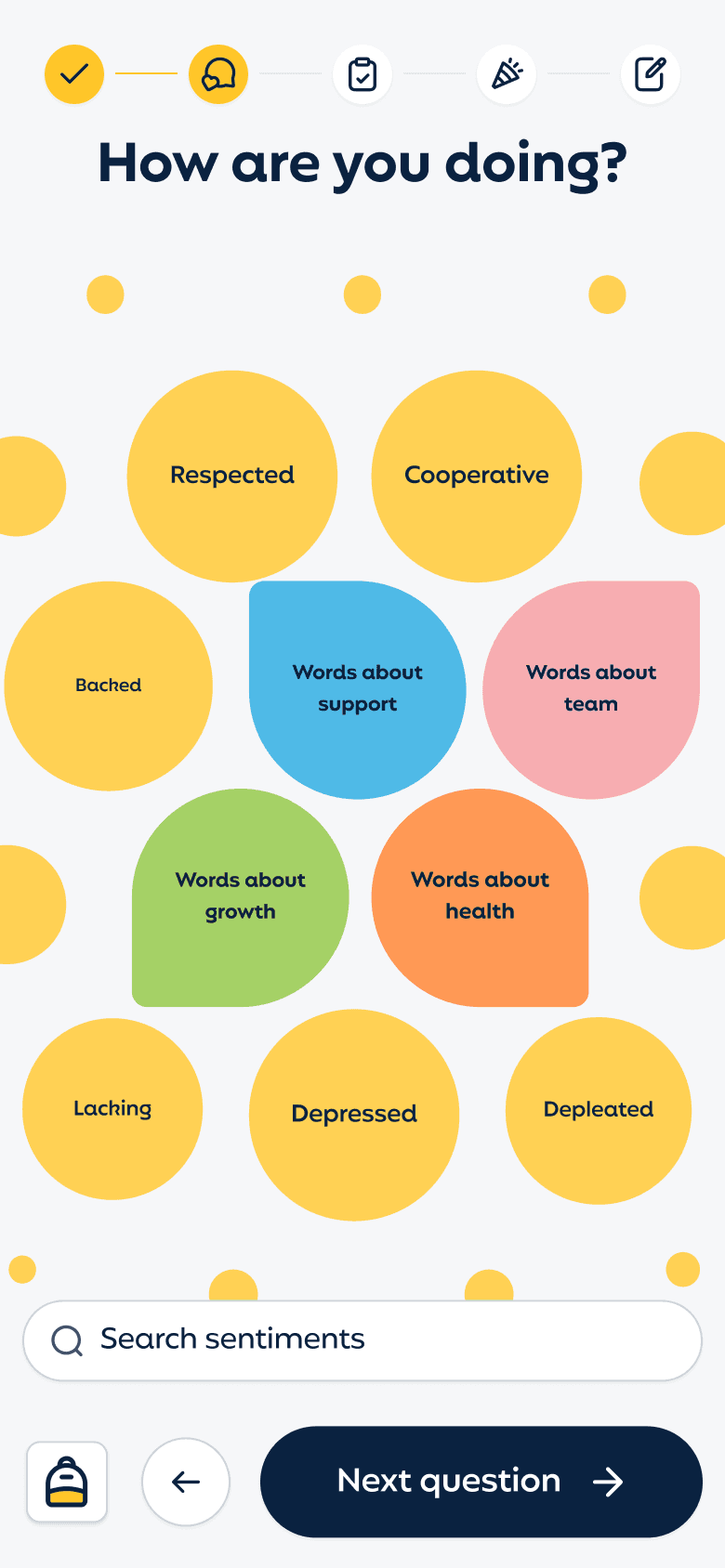
With just three simple questions, Alpaca's Pulse Check-In helps school leaders listen to their teams and act where support is needed most.
Join 15,000+ school leaders finding their next little win.