Classroom Walkthrough Tips for School Leaders
A guide to making quick, 5-10 minute classroom walkthroughs count.
5-10 min
A practical time management approach for school leaders.
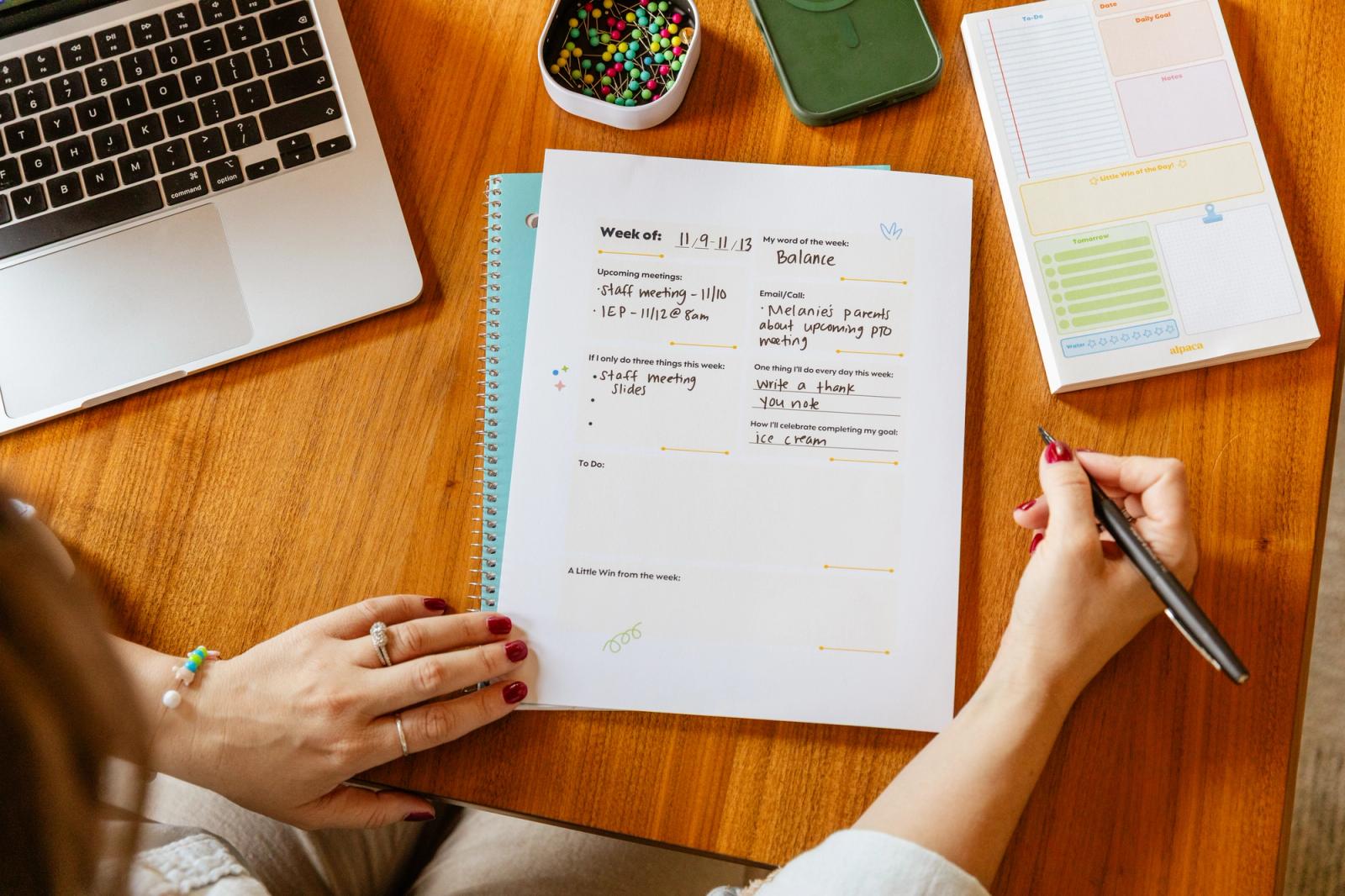
A practical time management approach for school leaders, starting with time blocking as a daily anchor. Use the included printable templates to plan your week, prioritize tasks, and build a schedule that protects time for what matters most.
Why try it
School leader days rarely go as planned, but having a structure to return to makes a real difference. Time blocking gives you a repeatable way to group similar work, reduce task-switching, and carve out focused time for walkthroughs, conversations, and strategic thinking. Pair it with the other strategies below to find the combination that fits your schedule.
Browse the printables included with this resource.
Things you'll need
Instructions
Identify your priority tasks
Before the week starts, list the tasks and responsibilities on your plate. Sort them into two buckets: things that need your direct attention and things that could be handled by someone else or scheduled for later.
Block your time
On your weekly schedule template, assign dedicated time blocks to specific types of work: emails, walkthroughs, meetings, planning, and admin tasks. Group similar tasks together and protect those blocks as much as possible.
Know your peak hours
Identify when you feel most focused and alert during the day, whether that's early morning or mid-afternoon. Schedule your most demanding tasks during those windows and save lower-lift tasks for lower-energy times.
End with a check-in
At the end of each day, spend five minutes with the included reflection template. Note what got done, what shifted, and what to carry forward. This keeps the next day's planning grounded in what's real.
Activity variations
Adapt to fit your school's vibe, budget, and setting.
Eisenhower Matrix
Use the included Eisenhower Matrix template to sort tasks by urgency and importance before you schedule them. Focus first on high-priority, high-impact work like a student situation or a time-sensitive staff issue, and push lower-priority items to later in the day or week.
Pomodoro Technique
Work in focused 25-minute intervals with a 5-minute break between each. After four intervals, take a longer break. This is useful for powering through admin tasks or report writing without burning out.
Task batching
Group small, similar tasks like responding to emails or scheduling meetings into one designated block. Start with two batches per day to reduce the mental cost of switching between different types of work.
Kanban board
Set up a simple board with three columns: To Do, In Progress, and Done. Move tasks across as you work through the day. It gives you a clear visual of where things stand and helps prevent anything from slipping through.
Productivity journal
At the end of the day, write down what you accomplished, what you'd do differently, and your top priorities for tomorrow. Apps like Daylio, Penzu, or Evernote work well if you prefer a digital option.
SMART goals
Pair your time blocking with a SMART goal framework: specific, measurable, achievable, relevant, and time-bound. Clear goals give your scheduled time blocks more direction and make it easier to track progress over time.
Delegation
Before adding a task to your own schedule, ask whether someone on your team could handle it. Assigning tasks that align with staff strengths frees up your time for the work only you can do.
End of day reflection
Use the included end of day reflection template to review what worked, what didn't, and whether there are tasks worth delegating next time. Even five minutes of reflection helps sharpen how you plan the following day.
Go deeper
Additional tips for running this resource.
Leader Tip #1
Protect your blocks
Treat time blocks like meetings you can't move. When something pulls you away, reschedule the block rather than skipping it.
Leader Tip #2
Revisit weekly
Check your schedule every Monday morning and adjust based on what's coming up. A plan you update is more useful than one you abandon.
Built by Educators, for School Leaders
This resource was created in collaboration with passionate educators and school leaders who believe in the power of intentional connection.
Erin Bunton
Special Education Teacher
Join 15,000+ school leaders finding their next little win.