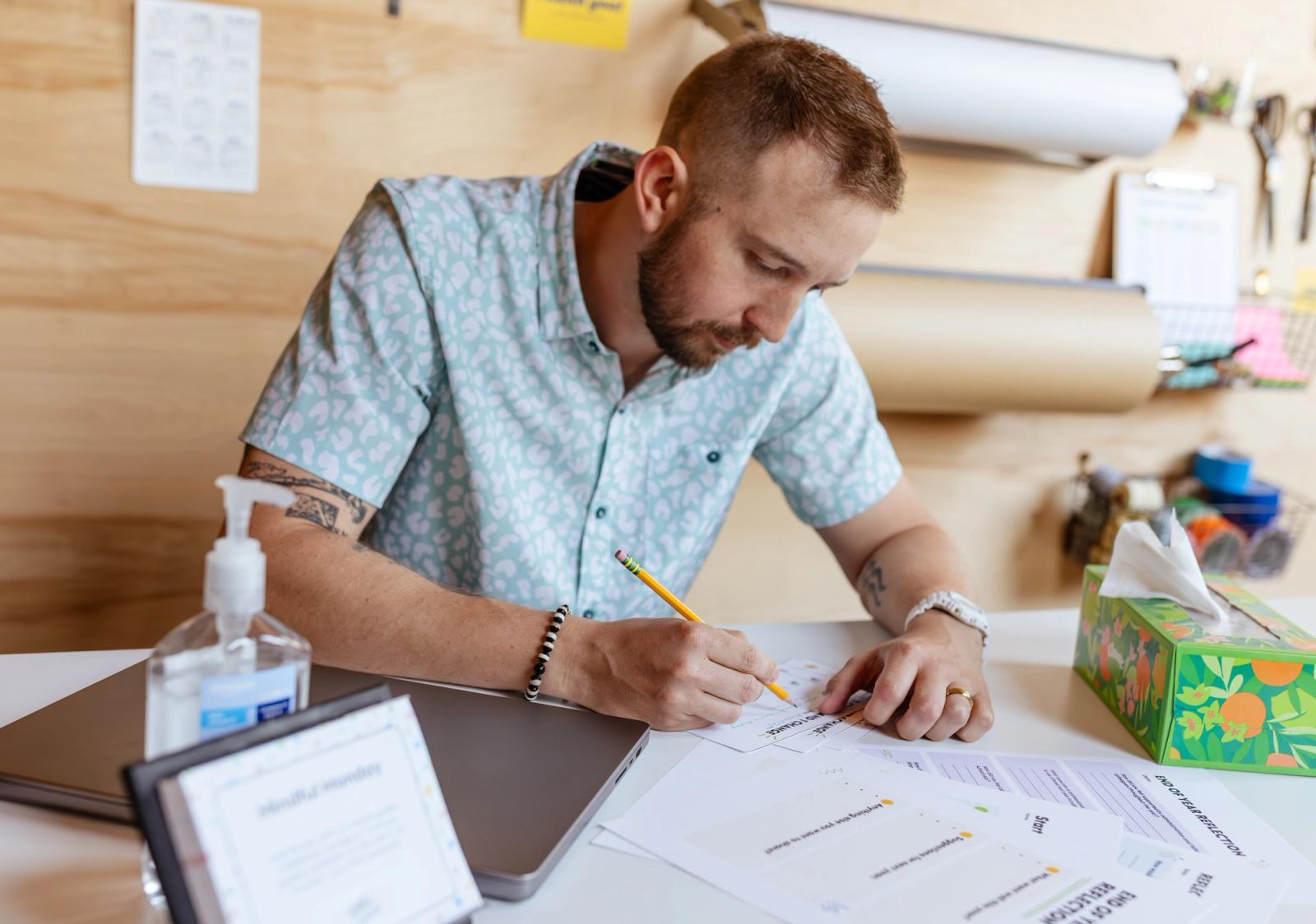
A School Staff Exercise: Start, Stop, Continue
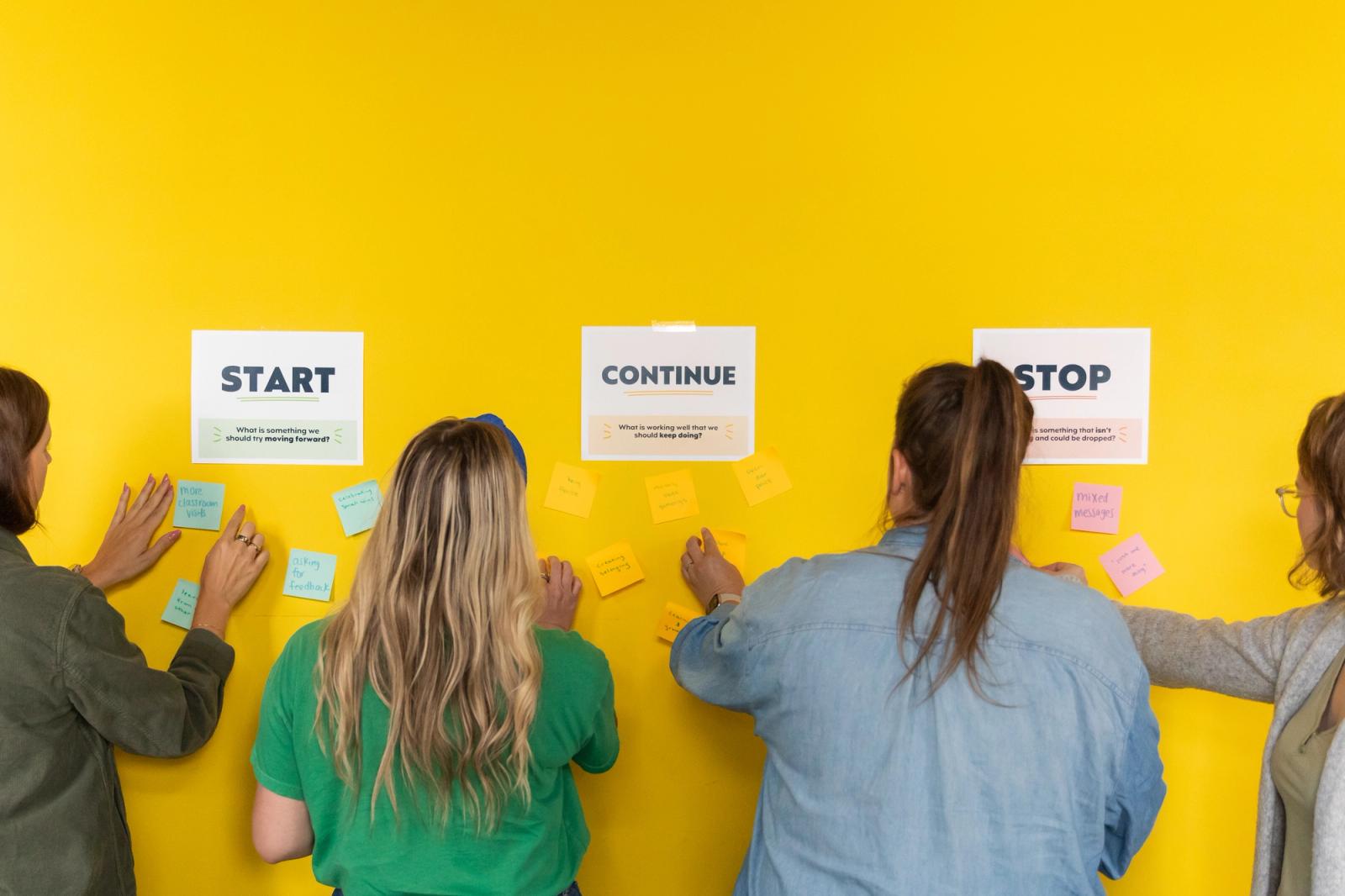
A start, stop, continue template that invites big conversations.
15 min
A practical guide to aligning your teachers across grade levels.

Vertical planning brings teachers from adjacent grades together to align on curriculum, standards, and student expectations. Done once a quarter, it creates consistency across your school and helps every teacher feel less isolated in their work.
Why try it
When teachers only plan within their own grade level, gaps and repetition quietly build up across the school. Vertical planning gives your team a structured, low-pressure space to share what is working, name what is hard, and build real connections with the colleagues passing students up or down the hall.
Research backs it up: schools that use vertical planning see stronger curriculum alignment, more consistent instruction, and better student transitions between grades. As a leader, it is also a practical way to surface where your teachers need support before those needs become bigger problems.
Browse the printables included with this resource.
Instructions
Start the conversation
Tell your staff what vertical planning is and why you are trying it. Start with the core question: "What do we need to do this year to get kids ready for next year?" That framing alone tends to get teachers curious. Share one or two benefits that feel relevant right now, such as smoother student transitions or more shared support between grade levels. Distribute the Before Meeting Notes for teachers to complete on their own before the session.
Build your teams
Organize teachers into cross-grade groups by subject or content area (for example, all math teachers from grades 3 through 5). Hand out the Before Meeting Notes now and ask teachers to complete it before the session, along with any curriculum materials, standards, and student data they want to discuss.
Set the time
Schedule 30 to 45 minutes and protect it. Quarterly works well as a starting point. Giving your team a consistent, reliable slot signals that this work is a real priority, not an afterthought.
Run the meeting
Start by reminding the group of the goal: honest conversation about what students need to succeed at the next level. Ask teachers to share their Before Meeting Notes first, then work through the During Meeting Notes together. Walk the room, check in with each group, and listen for themes.
Follow up
Sit down with each department using the Vertical Planning Follow-Up sheet. Note strengths, flag standards that need more support, and set one concrete goal per group. Use the Follow-Up sheet to write down notes from the meetings and set goals with each department or grade.
Activity variations
Adapt to fit your school's vibe, budget, and setting.
Aim for at least once year
Aim for at least once a year, ideally toward the end of the school year, or once a semester if you can swing it. Even one session annually is worth doing.
Student transition focus
In the spring, center the conversation specifically on incoming students. What do 5th grade teachers wish 4th grade teachers knew before sending kids up? This version is especially useful ahead of major school transitions like elementary to middle school.
Go deeper
Additional tips for running this resource.
Leader Tip #1
Start small
One subject area, one quarter. Resist the urge to roll it out everywhere at once. After the first session, ask how it went and adjust before the next one.
Leader Tip #2
Ask the right question
"How can I support you?" is one of the most useful things you can say during vertical planning. Walk the room, listen in, and acknowledge the collaboration going on.
Leader Tip #3
Let data lead
Asking teachers to bring performance data shifts the conversation from opinions to shared evidence, and makes next steps a lot easier to agree on.
Built by Educators, for School Leaders
This resource was created in collaboration with passionate educators and school leaders who believe in the power of intentional connection.
Alissa Christensen
Head of Customer Success
Join 15,000+ school leaders finding their next little win.