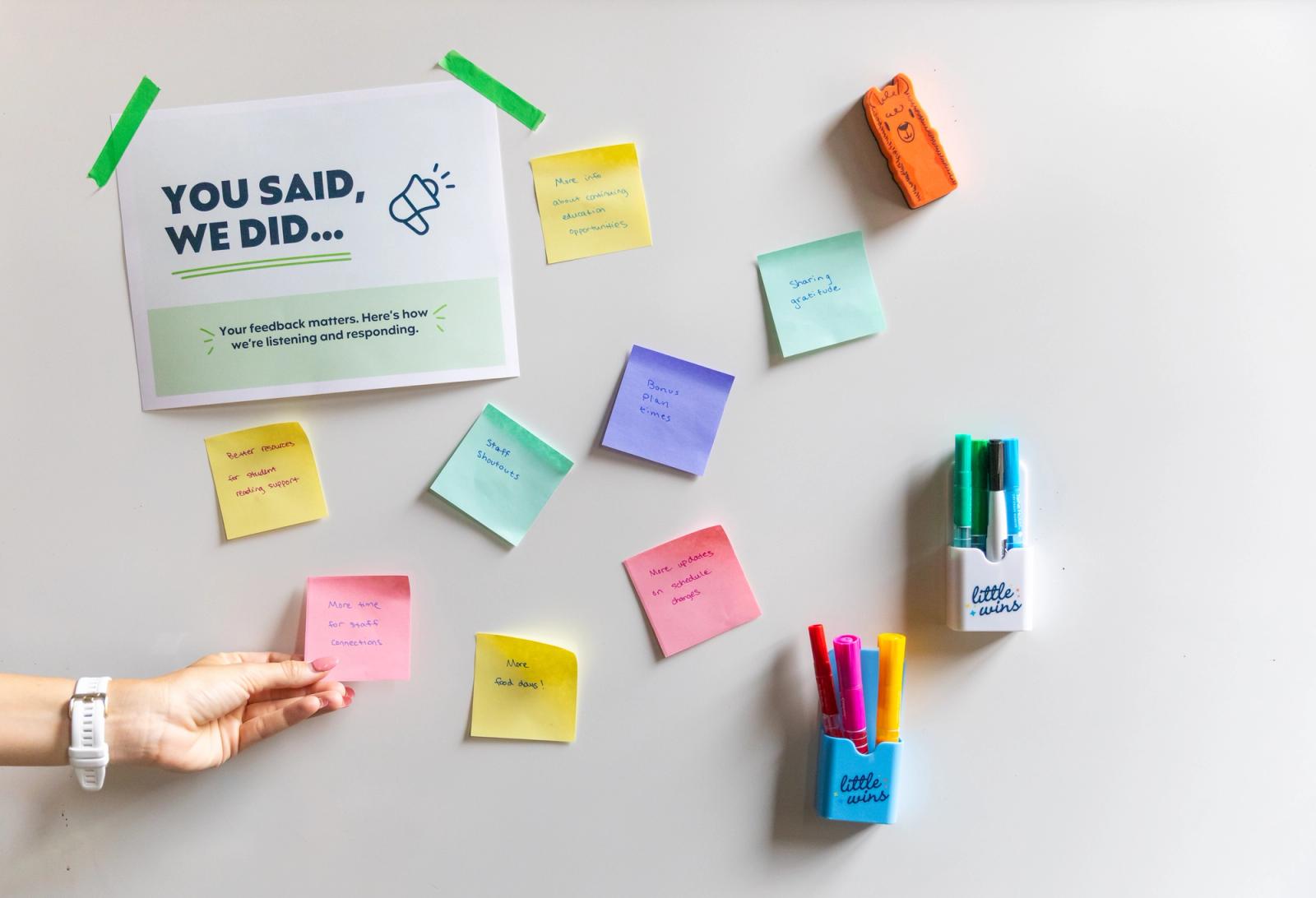
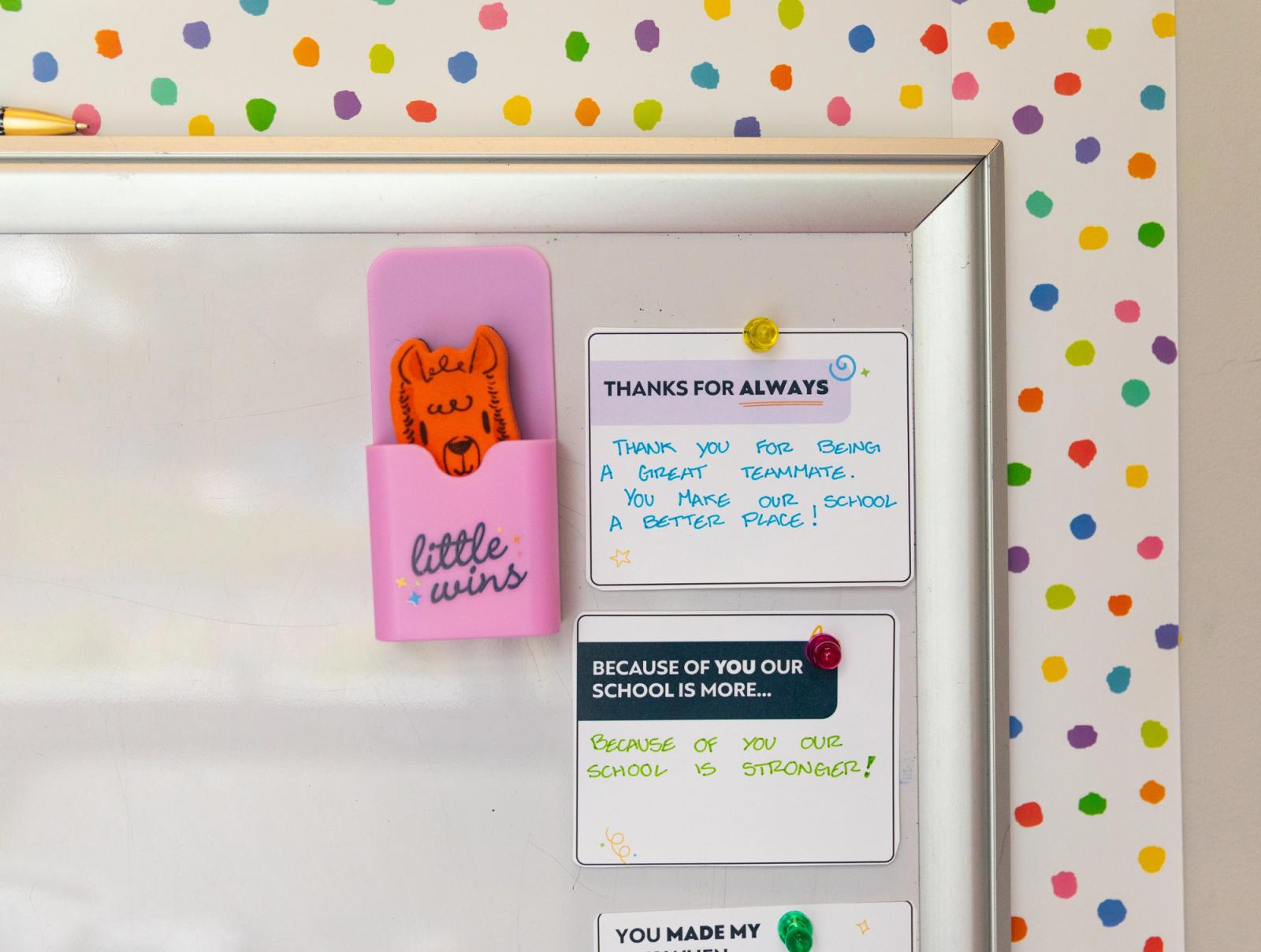
Staff Shoutouts: Teacher Morale Boosters
A set of sentence-starter cards for quick, specific recognition.
1-2 min per card
A practical guide to four communication strategies school leaders can use in everyday moments

A practical guide to four communication strategies school leaders can use in everyday moments, from staff emails to hard conversations. Each strategy comes with a printable tool so you can put it into practice right away.
Why try it
Strengthen trust and reduce confusion by adjusting how you communicate based on the audience and the moment. Whether it's a staff meeting, a hallway chat, or a hard conversation, these four strategies give you a repeatable approach for planning messages, adapting to different audiences, and delivering hard news with clarity and care.
Browse the printables included with this resource.
Instructions
Pick a strategy to start with
Review the four strategies below and choose the one that fits a communication challenge you're facing right now, whether that's tailoring a message for different audiences or preparing for a hard conversation.
Use the included printables
Fill out the matching printable before you write or deliver your message, or use it to prepare for an upcoming conversation.
Build the habit
Keep the printables on hand and return to them for future messages. Over time, rotate through the strategies you haven't tried yet.
Activity variations
Adapt to fit your school's vibe, budget, and setting.
Be the audience
Before sending a message, ask who you're talking to and what matters most to them. Use the included Audience Lens Worksheet to map how your tone, details, and format should shift across staff, families, and students.
Define your message goals
Use the Know-Feel-Do framework to plan a message: what you want the audience to know, how you want them to feel, and what you want them to do. Fill out the included Know-Feel-Do Planner before sending anything with a specific ask attached.
Prepare to be spontaneous
Practice tough conversations ahead of time using the included Role-Play Scenario Cards. Read a card aloud, pause for a few seconds, then respond as the leader before swapping roles and responding as the staff member, parent, or student.
Share hard truths with heart
When you have difficult news to deliver, lead with the main message before adding context or softening it. Use the included Clarity Checklist to say the message clearly, acknowledge the impact, add empathy, and share next steps.
Go deeper
Additional tips for running this resource.
Leader Tip #1
Keep a printable nearby
Store the worksheets and cards somewhere you'll actually reach for them, like a desk drawer or a shared folder, so they're ready when a message comes up.
Leader Tip #2
Revisit after a tough conversation
After a hard conversation, jot down what worked and what you'd adjust next time on the back of the scenario card.
Built by Educators, for School Leaders
This resource was created in collaboration with passionate educators and school leaders who believe in the power of intentional connection.
Megan Rogers
Teacher
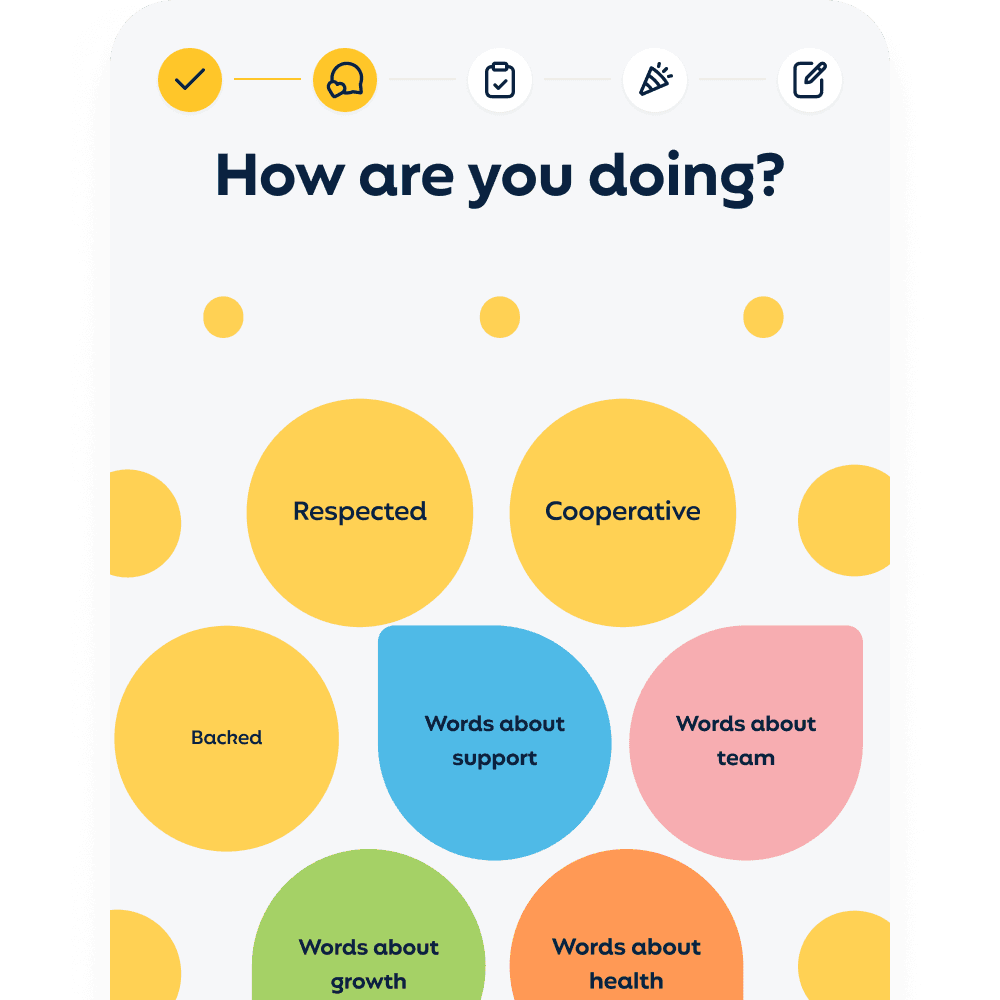
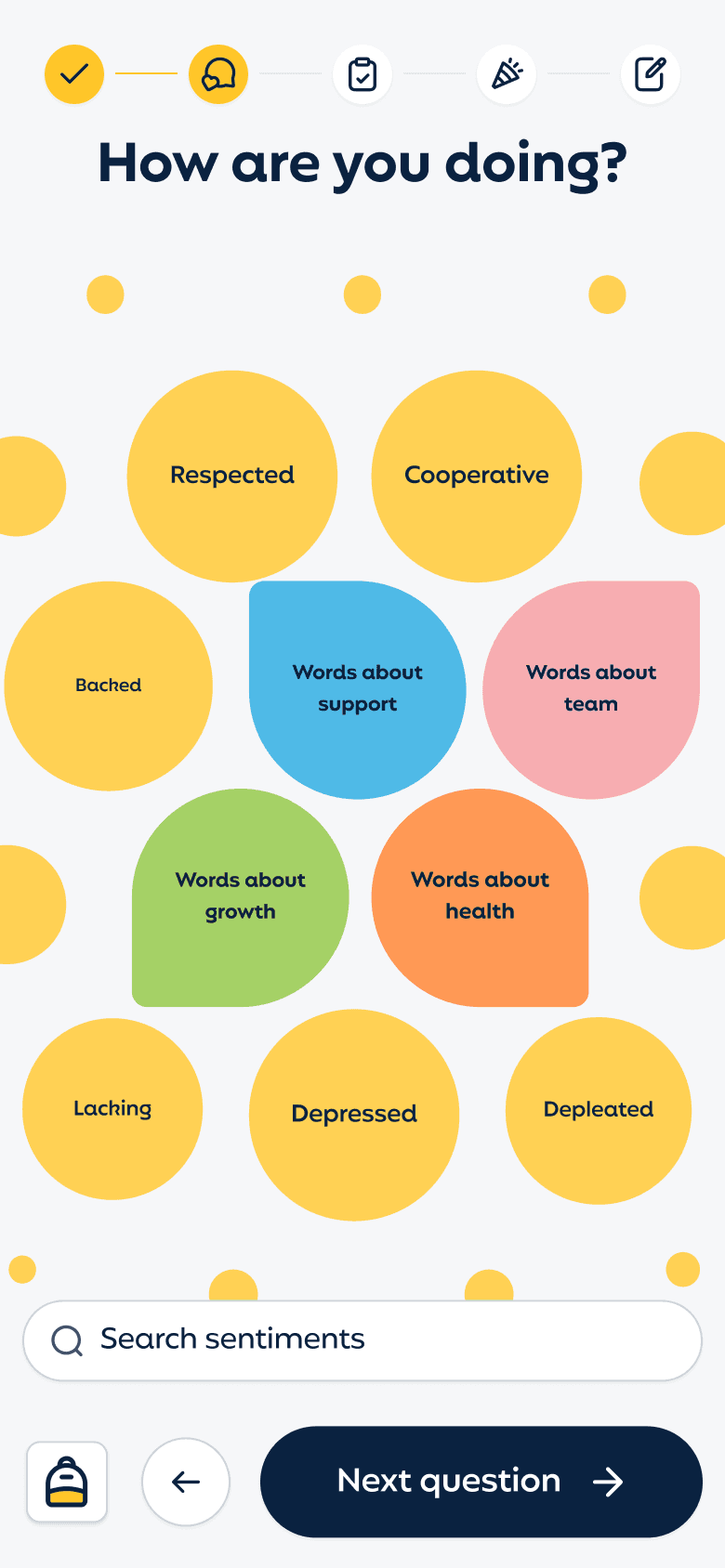
Alpaca Pulse Check-In
With just three simple questions, Alpaca's Pulse Check-In helps school leaders listen to their teams and act where support is needed most.
Join 15,000+ school leaders finding their next little win.