Growth Goal Quick Check
Turn a quick hallway chat into a moment for reflection and support.
3-5 min
10 practical leadership habits principals can use all year long.
A set of 10 leadership practices to help new teachers feel confident, connected, and supported throughout the school year. Pick one practice at a time, put it into action, and rotate through the list as the year goes on.
Why try it
Strengthen teacher retention by giving new teachers steady, practical support throughout the year. Each practice below targets a different part of the first-year experience, from classroom routines to relationships with families, so leaders can meet new teachers where they are.
A rotating approach also keeps support manageable for leaders. Instead of trying to cover everything at once, work through one practice a month and build on what's already working.
Browse the printables included with this resource.
Instructions
Choose a practice
Review the 10 practices in the Variations section below and select one to focus on for the month.
Introduce it and put it into action
Share the practice at a staff meeting or one-on-one, then use its leader actions for two to four weeks.
Rotate to the next practice
Move on to a new practice each month. Keep notes on which ones make the biggest difference for your new teachers so you can repeat them next year.
Activity variations
Adapt to fit your school's vibe, budget, and setting.
Build strong routines and procedures
Give new teachers a checklist of basic classroom procedures to cover in the first few weeks, and take them on a walk through the building to point out the routines that matter most.
Foster authentic, appropriate relationships
Practice quick student check-ins together, like asking about their weekend, so new teachers see relationship-building in action. Set up short, biweekly conversations about how those relationships are developing.
Encourage a growth mindset community
Invite experienced staff to share one lesson they've refined over the years. At a staff meeting, ask teachers to share a mistake that taught them something and what they learned from it.
Normalize an ask-and-apologize culture
Model apologizing for small slips, like a late email or missed deadline, at staff meetings. In check-ins with new teachers, ask them to share a mistake they made and what they learned.
Connect with families positively and proactively
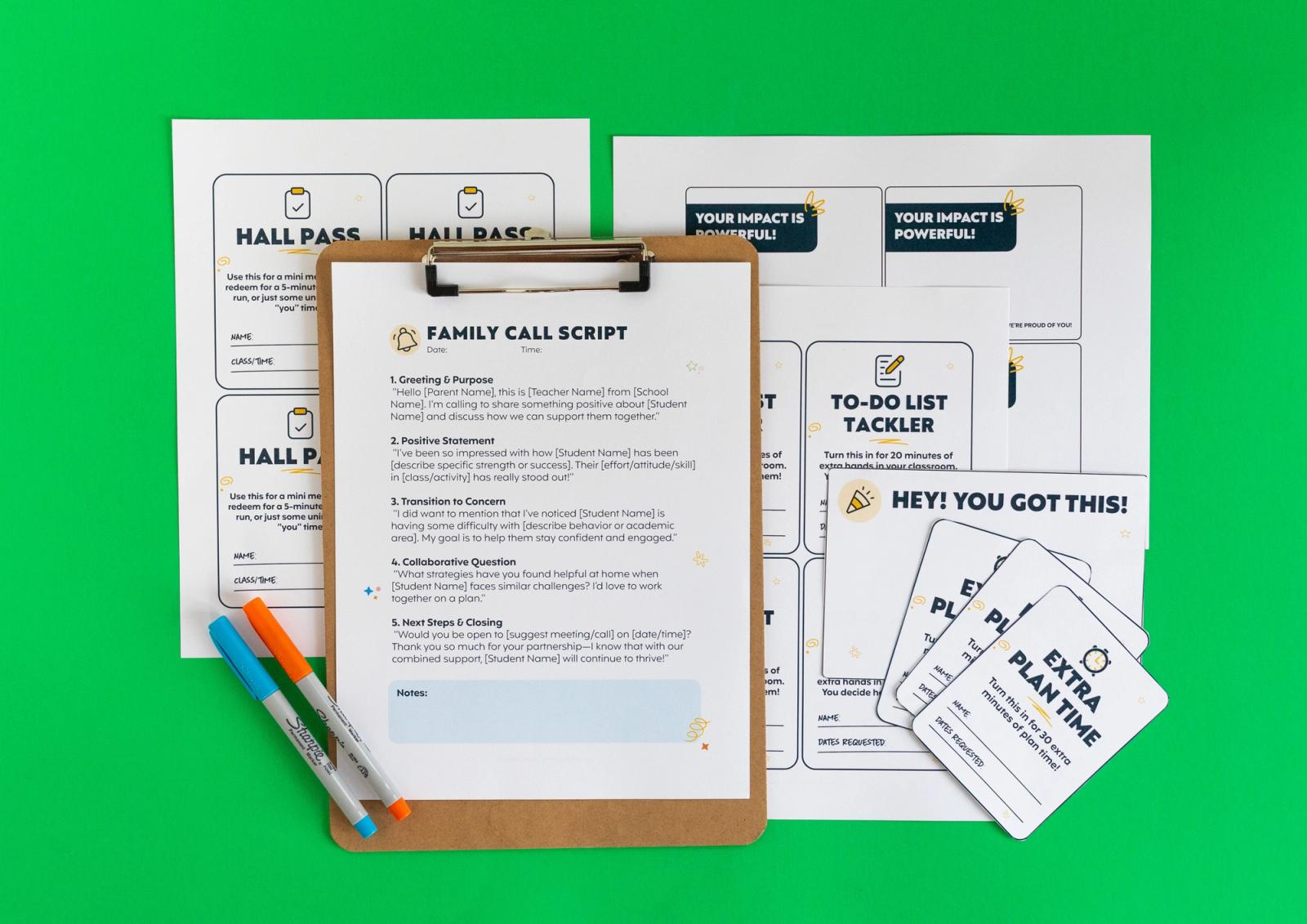
Share a call script that opens with a specific compliment before raising any concerns. Help new teachers invite a parent volunteer for one classroom task early in the year.
Support professional learning ownership
Give new teachers a curated list of free courses, webinars, and blogs, and check in regularly on what they need. Each quarter, challenge them to try one new strategy or tool and report back.
Clarify roles, boundaries, and expectations
Help new teachers set clear "do not disturb" hours for email and classroom apps. Post simple reminders at staff meetings, like "it's OK to leave at 4:00," to model boundary-respecting behavior.
Demystify school culture and unspoken norms
Walk new teachers through formal systems like grading and scheduling, plus the unwritten norms that keep things running. Schedule quick meet-and-greets with counselors, office managers, and veteran teachers.
Celebrate little wins and positivity
Dedicate a newsletter or announcement slot to new teachers' recent wins. Remind them to pause and reflect on their own progress, both big and small.
Frame the first years as a marathon
Host a short panel where second- and third-year teachers share how the job changed for them and what they'd do differently in year one. Schedule quarterly check-ins on stress and workload, and follow up with specific support.
Go deeper
Additional tips for running this resource.
Leader Tip #1
Pair with a mentor
Assign each new teacher a veteran mentor who can reinforce these practices day to day, not just during scheduled check-ins.
Leader Tip #2
Ask directly
At each check-in, ask new teachers which practices have helped most so far, and use their answers to guide what you focus on next.
Leader Tip #3
Start before the year begins
Introduce the first one or two practices, like routines and school culture, before the first day of school so new teachers walk in with a foundation.
Built by Educators, for School Leaders
This resource was created in collaboration with passionate educators and school leaders who believe in the power of intentional connection.
Alissa Christensen
Head of Customer Success
Join 15,000+ school leaders finding their next little win.