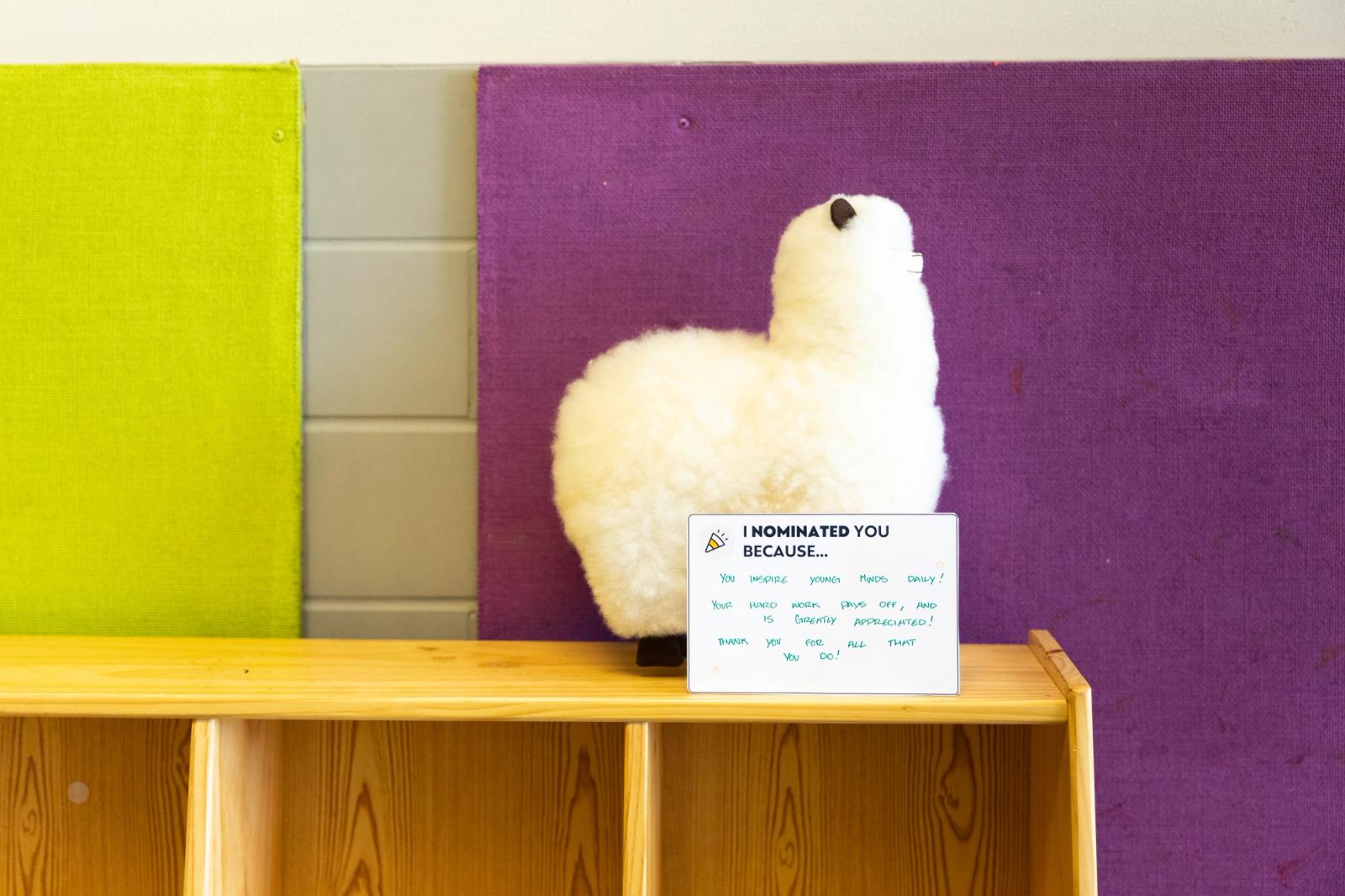
Mascot Pass: A Weekly Teacher Appreciation Activity
A weekly recognition tradition that keeps appreciation moving all year long.
5 min
A teacher autonomy reflection with statements, questions, and action
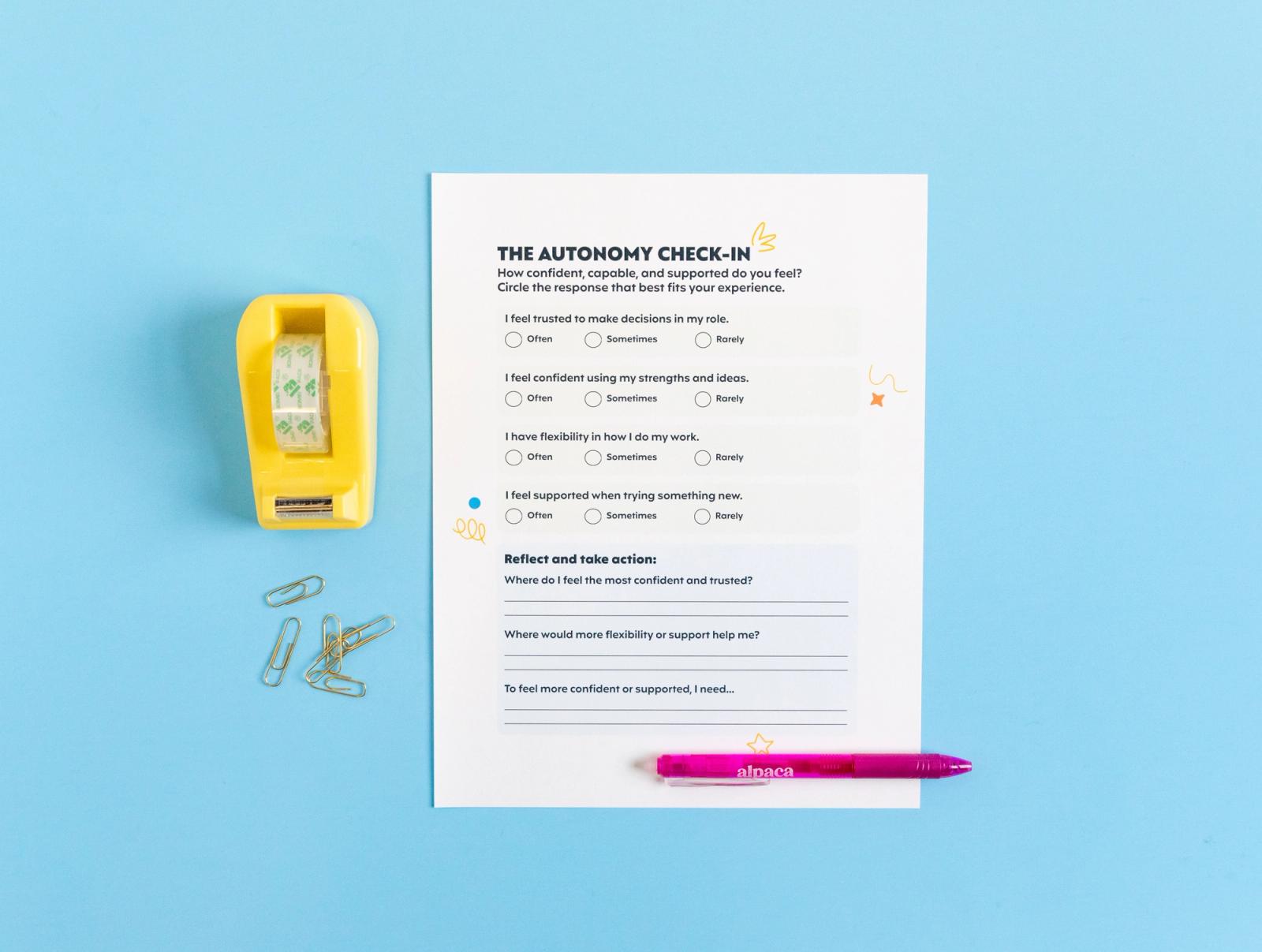
A 10-minute reflection where staff rate 4 statements about how trusted, confident, and supported they feel in their role. Two reflection questions help each person name where more flexibility or support would help. An action box at the end asks for one specific request you can follow up on.
Why try it
Each staff member spends a few minutes looking at how they work: where they make their own decisions, where they use their strengths, and where more flexibility or support would help. You walk away with a short stack of practical requests, and you can pick one or two to act on right away.
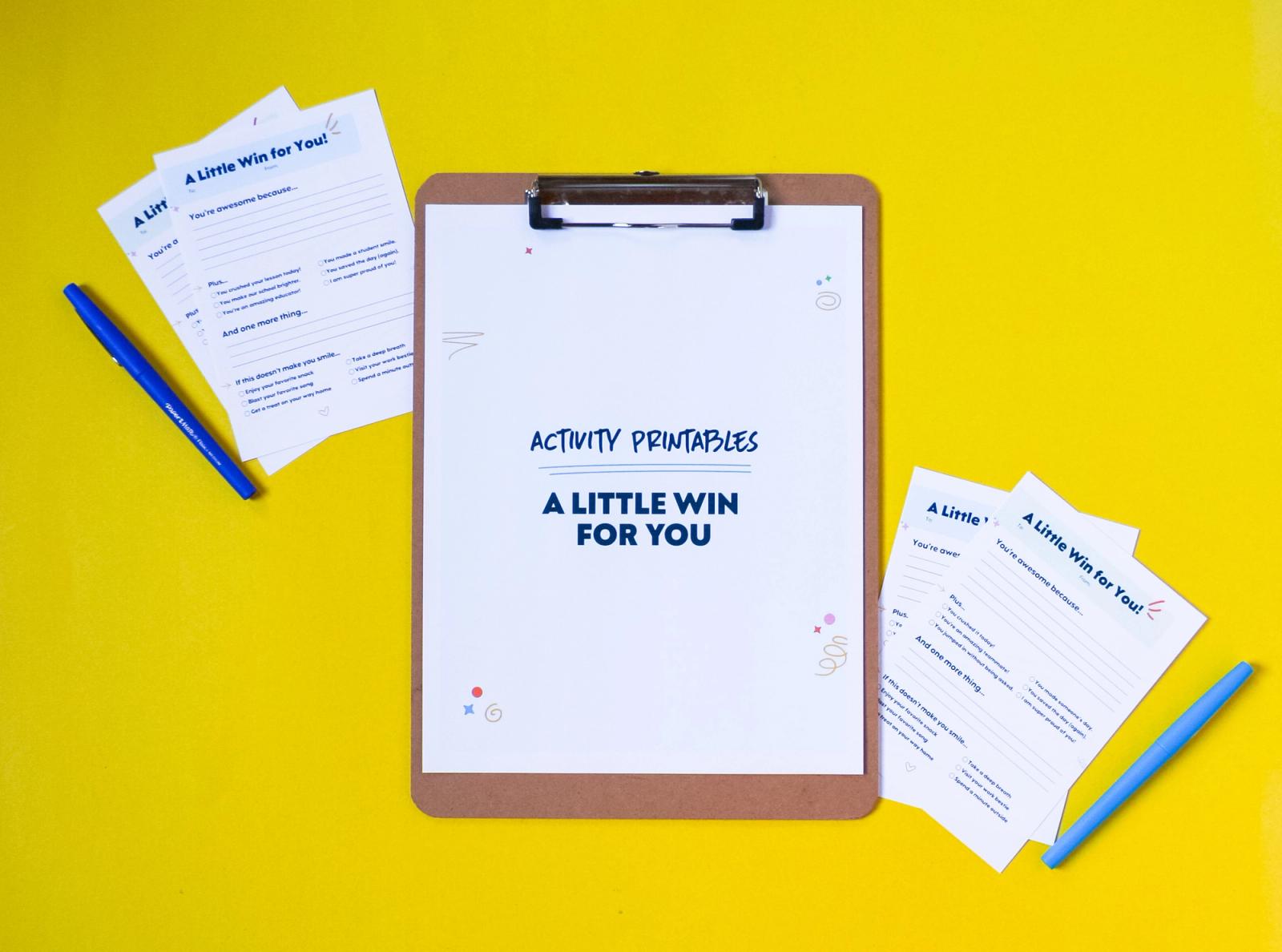
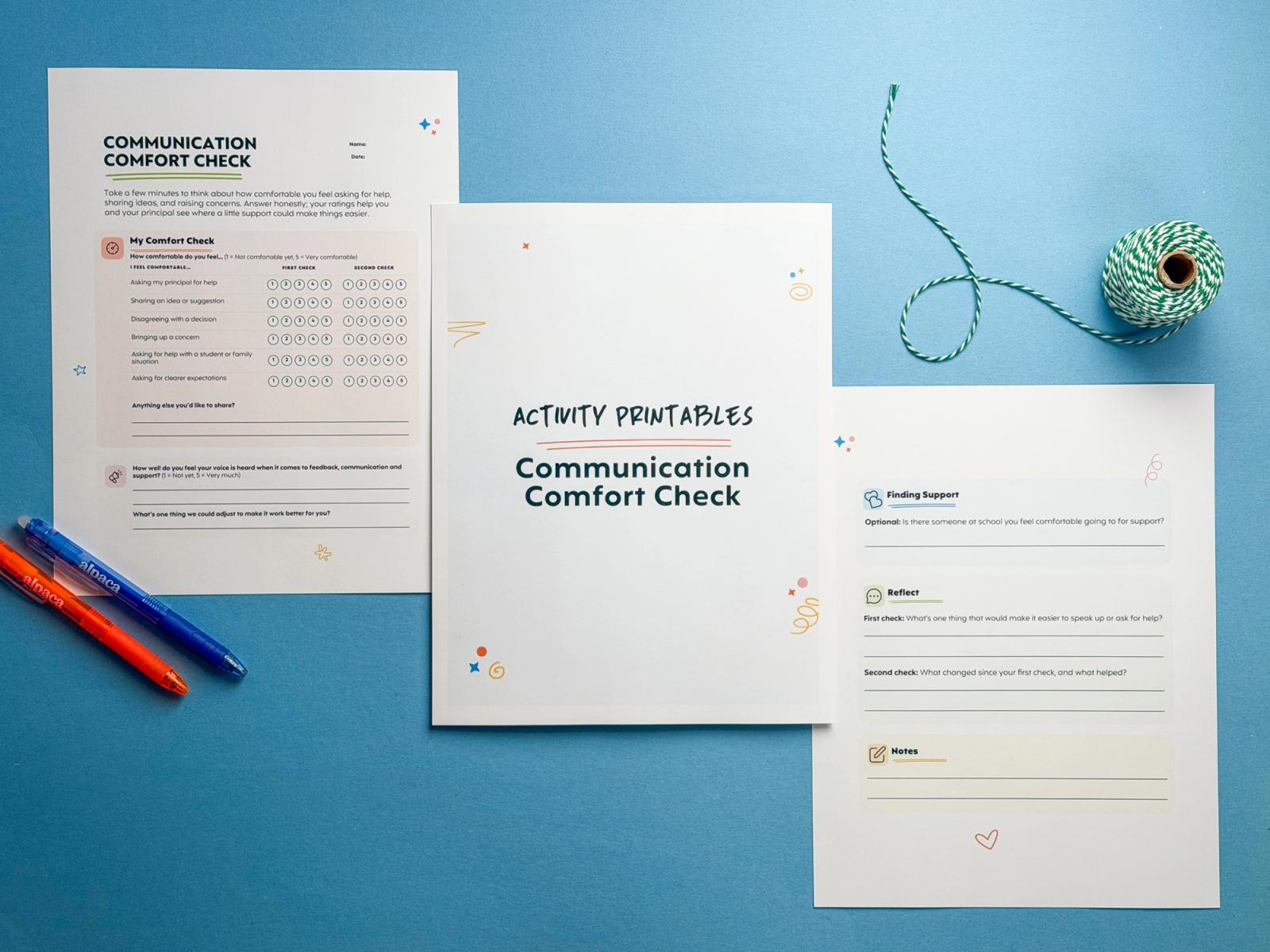
Browse the printables included with this resource.
Things you'll need
Instructions
Hand out the check-in
Give each staff member a copy of the included printable and set aside the last 10 minutes of a staff meeting to fill it out. Let staff know it’s a personal reflection and sharing is optional.
Complete the check-in
Staff circle Often, Sometimes, or Rarely for each statement, answer both reflection questions, and finish the sentence in the action box.
Collect action boxes
Set out a box or envelope in the office where staff can drop off their action box response, signed or unsigned. Staff keep the rest of the check-in for themselves.
Follow through
Pick one or two requests you can act on and share what you’re changing at the next staff meeting or in your weekly newsletter.
Follow-up ideas
Decisions: let grade-level teams set their own PLC agenda, invite a teacher to lead one segment of the staff meeting, ask a team to design a new schoolwide routine, let staff vote on the next PD topic, give department teams a say in how they schedule common assessments
Time: turn one staff meeting into open planning time, cover a class so a teacher can observe a colleague, protect one planning period a week from meetings, give staff a window to complete required trainings on their own schedule, set up a duty swap board staff manage themselves
Strengths and support: pair a teacher with a colleague who’s strong in an area they named, ask a teacher to share a strength in a short PD session, invite paras and office staff to redesign a process they run every day, approve one classroom supply request from the action boxes, schedule a 10-minute one-on-one to talk through a request
Activity variations
Adapt to fit your school's vibe, budget, and setting.
Team check-in
Have grade-level or department teams complete the check-in together during a PLC and talk through where they have the most flexibility as a group.
One-on-one starter
Bring a blank check-in to a one-on-one and use the 2 reflection questions to open the conversation.
Building-wide tally
Collect the circled ratings anonymously and tally them to see which of the 4 statements get the most Rarely answers across your building.
Go deeper
Additional tips for running this resource.
Leader Tip #1
Go first with your own check-in
Fill one out yourself and share one answer when you hand it out so staff see how open or brief to be.
Leader Tip #2
Repeat the teacher autonomy check-in each semester
Have staff keep their completed copy and run the check-in again next semester so they can compare how their answers have shifted.
Leader Tip #3
Sort requests into themes
Group action box requests by decisions, time, and support. A theme that shows up more than once is a good place to start.
Built by Educators, for School Leaders
This resource was created in collaboration with passionate educators and school leaders who believe in the power of intentional connection.
Alissa Christensen
Head of Customer Success
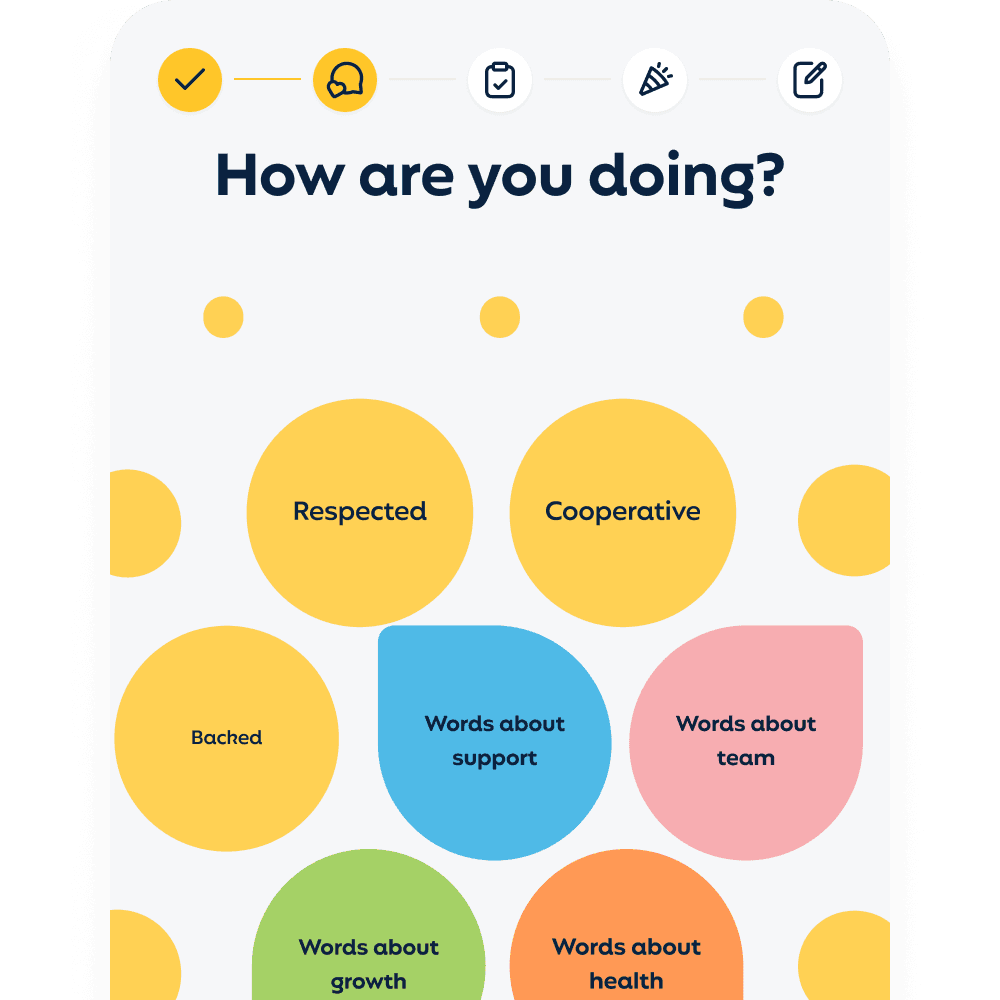
Alpaca Pulse Check-In
With just three simple questions, Alpaca's Pulse Check-In helps school leaders listen to their teams and act where support is needed most.
Join 15,000+ school leaders finding their next little win.